NASA Overhauls Lunar Architecture, Resolving Decades-Long Orion Docking Hurdle
The agency has finalized a revised roadmap for 2028 Moon landings by shifting docking operations to high-Earth orbit and eliminating complex refueling steps for Blue Origin.
By Aiko Yamamoto ·
NASA has officially confirmed a significant restructuring of its Artemis program architecture, a move designed to accelerate the return of astronauts to the lunar surface. Announced during a comprehensive briefing on Friday, the updated plans resolve a long-standing technical bottleneck regarding the Orion spacecraft while establishing a clearer timeline for crewed missions. This represents the first time the agency has publicly detailed these substantial changes to the mission framework, signaling a decisive shift in how it will manage its partnerships with commercial landing providers.
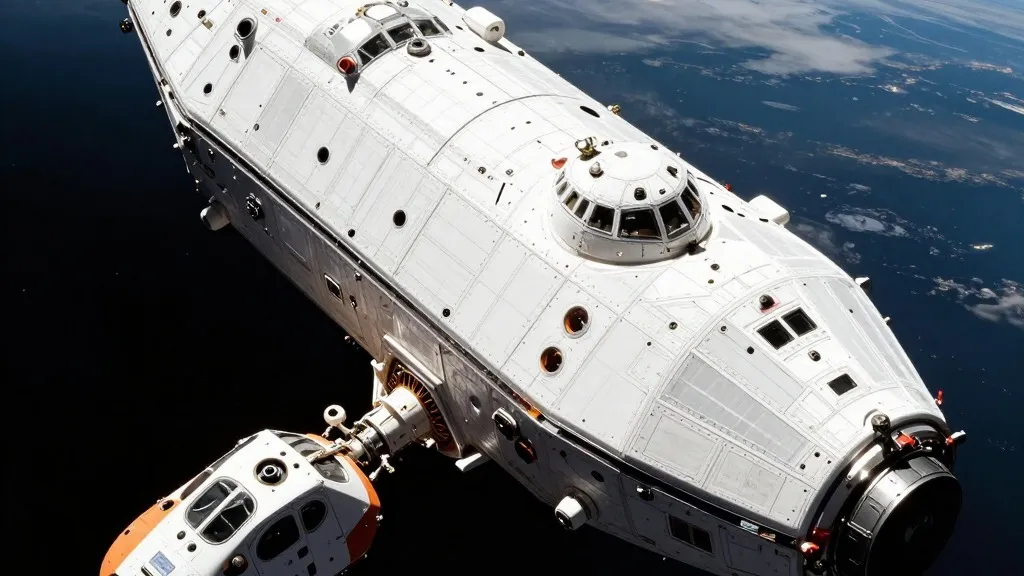
The most critical alteration involves the operational sequence for SpaceX’s Starship vehicle. Under the revised protocol, the Orion spacecraft will now dock with the Starship lunar lander in high-Earth orbit prior to the transit to the Moon. This change directly addresses a major engineering challenge that had plagued earlier versions of the plan. By moving the docking event to a more accessible orbital region, the agency effectively removes the requirement for Orion to meet Starship in a near-rectilinear halo orbit, a maneuver that was deemed energy-intensive and technically complex for the SpaceX team.
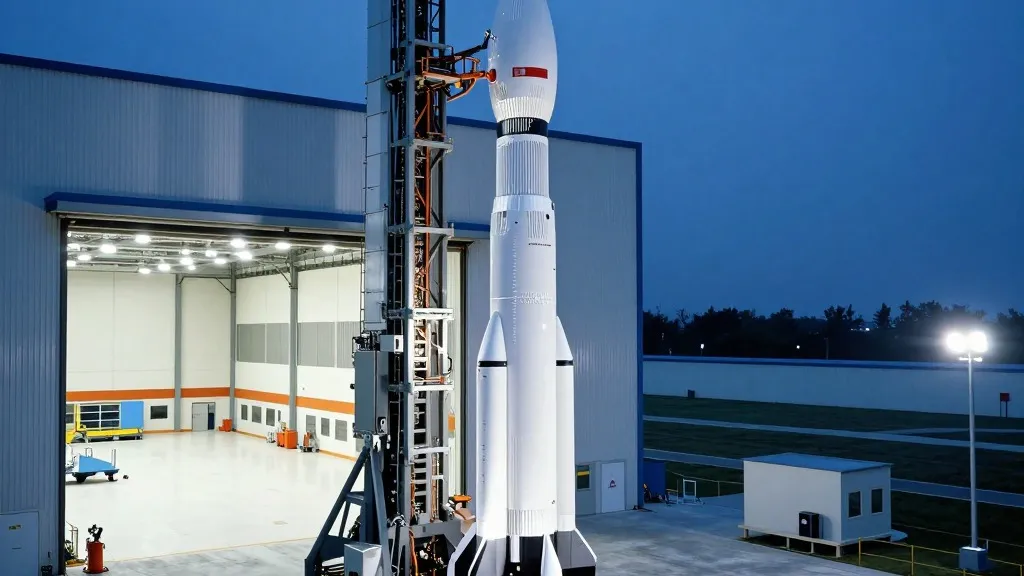
A second key development concerns the mission architecture assigned to Blue Origin. The updated plan specifies that the agency’s New Glenn rocket will perform four distinct launches for these missions. Crucially, this configuration eliminates the need for in-space refueling operations between spacecraft. Furthermore, the design allows for the Blue Moon lander to rendezvous with Orion in low-Lunar orbit, providing a flexible approach that avoids the complexities previously associated with orbital transfers and propellant transfers in deep space.
The timeline for these missions remains largely intact, with NASA officials reiterating their target dates for the next two major phases of the program. The agency continues to anticipate launching the Artemis III mission, which will serve as a critical demonstration involving docking procedures with both the Blue Moon and Starship vehicles near Earth, by the summer of 2027. Following this test, the agency is tracking toward a 2028 launch for Artemis IV, the mission that will finally place astronauts on the lunar surface. These dates reflect the agency’s confidence in the feasibility of the newly streamlined architecture.
NASA Administrator Jared Isaacman emphasized the agency’s commitment to this revised path, stating that the administration has the necessary mandate, resources, and stakeholder support to execute the plan. He described the current trajectory as an achievable path, noting that the leadership has thoroughly reviewed every element of the program to facilitate the work of the lunar lander companies. The administrator’s comments suggest a strategic focus on removing obstacles that previously slowed development, thereby allowing the commercial partners to accelerate their execution schedules.
The decision to alter the docking location for Starship was driven by specific engineering requests made during meetings in early 2026. SpaceX engineers had identified the requirement to dock in a near-rectilinear halo orbit as a significant burden, citing the high energy costs and associated difficulties of that orbital maneuver. The cancellation of the Lunar Gateway project earlier this year inadvertently solved this problem for SpaceX, as the removal of that infrastructure allowed the agency to rethink the overall approach to lunar access and docking logistics.
This architectural update marks a departure from previous iterations of the Artemis plan, which relied heavily on the Gateway station as a staging point. By canceling the Gateway, NASA has forced a re-evaluation of how the landers and Orion will interact in space. The new approach appears to favor simpler, more direct orbital mechanics, reducing the number of complex in-space maneuvers required to prepare for a lunar landing. This simplification is expected to reduce risk and cost for both the agency and its commercial partners.
The context of these changes is rooted in the need to maintain momentum for the 2028 landing target. By addressing the specific concerns of SpaceX and simplifying the Blue Origin launch sequence, NASA aims to create a more robust and reliable pathway to the Moon. The agency’s willingness to acknowledge and implement these substantial changes suggests a pragmatic approach to program management, prioritizing operational efficiency over previous design constraints.
Looking ahead, the success of these new plans will depend on the ability of both SpaceX and Blue Origin to adapt their development schedules to the updated requirements. The summer 2027 demonstration mission will be the first major test of this new architecture, providing critical data on the docking procedures in high-Earth orbit. If successful, this mission will pave the way for the crewed lunar landing in 2028, fulfilling the core objective of the Artemis program.
The outlook for the program remains positive, with NASA officials expressing confidence in their ability to hold to the established dates. The resolution of the Orion docking issue is seen as a major milestone, clearing one of the most significant technical hurdles in the program’s history. As the agency moves forward with this revised architecture, it expects to streamline operations and reduce the complexity of the missions, ultimately bringing astronauts closer to a sustained return to the Moon.
Source: Ars Technica