SpaceX Rejects Three Military Launch Contracts in Strategic Shift
The aerospace giant turned down US Space Force offers while a Spanish rocket maker approaches its inaugural flight.
By Amy Swan ·
SpaceX has declined three launch contracts offered by the US Space Force, a decision that signals a notable shift in the company's relationship with military space operations. The rejection was announced this week, effectively closing the door on these specific military missions. While the company continues to dominate the commercial launch market, this move suggests a strategic focus on other priorities or a selective approach to government work. The Space Force had proposed these three contracts as part of its broader efforts to secure launch capacity for national security payloads. By saying no, SpaceX is navigating a complex landscape where commercial interests and military requirements must align. This development is part of a busy week for the industry, which also saw significant updates from European and Canadian space startups.
On the civil space front, a NASA safety panel issued a critical assessment regarding the Starship vehicle. The panel indicated that a lunar landing mission may require up to 22 in-orbit refueling operations to succeed. This high number of refuelings highlights the technical complexity of using Starship for deep space exploration. The requirement for such extensive servicing in orbit presents significant engineering challenges and logistical hurdles. The safety review underscores the cautious approach NASA is taking as it plans for future crewed missions to the moon. This assessment is a key data point for engineers as they finalize the design parameters for the lunar architecture.
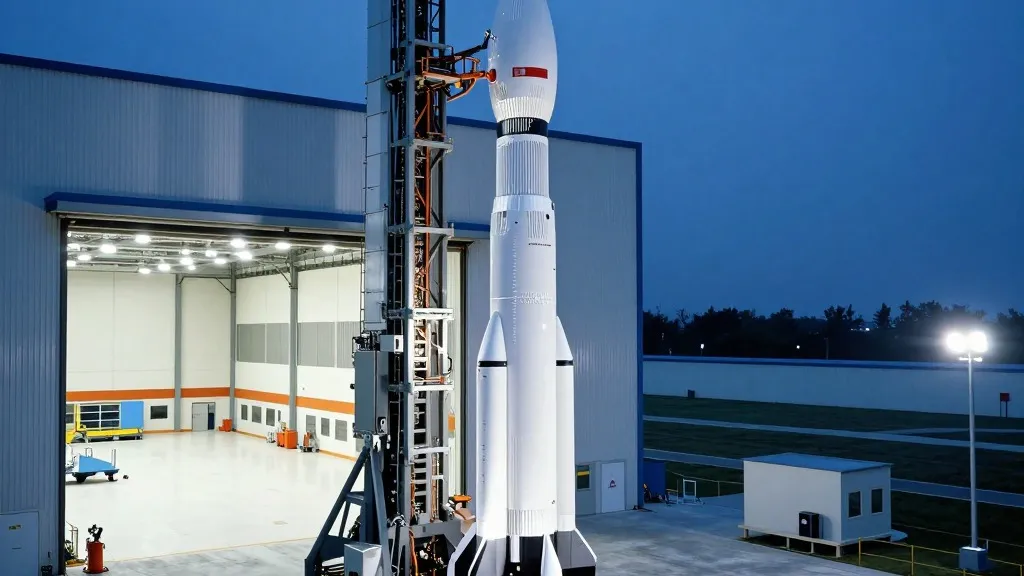
Meanwhile, PLD Space in Spain is making steady progress with its Miura 5 rocket. The company reports that the vehicle is nearing final integration, with a first flight targeted for before mid-2027. CEO Raúl Torres noted that manufacturing three of these small-lift vehicles has allowed their teams to apply lessons learned from qualification campaigns directly to the launch vehicle. One Miura 5 second stage is now fully integrated and is undergoing system-level testing at the company's Teruel test facility. This phase includes a wet dress rehearsal and a static hot-fire test to ensure the rocket's systems function correctly under representative operating conditions. The continuous workflow between production and testing is intended to refine the vehicle's reliability.
In Canada, startup Reaction Dynamics is seeking to raise $350 million to expand its operations significantly. The company aims to grow its staff from 68 to more than 350 people with this new capital. Reaction Dynamics is currently developing the Aurora rocket, a small-lift vehicle that hopes to reach orbit in 2028. The funding will support the growth necessary to meet this timeline. Additionally, the company has announced plans to build a medium-lift rocket named Borealis, with a debut expected by 2031. This dual-rocket strategy reflects the growing competition in the launch market, with multiple startups aiming to offer diverse lift capabilities to customers.
The aerospace sector continues to evolve rapidly, with major players like SpaceX making strategic decisions that impact the broader industry. The rejection of military contracts by SpaceX and the detailed safety requirements for Starship demonstrate the complex balance between commercial ambitions and technical constraints. Meanwhile, emerging players like PLD Space and Reaction Dynamics are pushing forward with their development timelines, indicating a healthy pipeline of new launch capabilities. These developments collectively suggest a dynamic period for spaceflight, with both established giants and new entrants shaping the future of access to orbit.
Source: Ars Technica