New Google Policy Links Gmail and Photos Content to Search Ads
An October 16 update allows Personal Intelligence to share data across services, enabling more targeted advertising while keeping names and emails hidden from advertisers.
By Yuki Melnyk ·
A privacy policy update that took effect on October 16 now permits Google to use content from Gmail, Drive, and Photos to shape the advertisements users see on its platforms. The change was implemented alongside the company's Personal Intelligence feature, which began its beta rollout at the start of the year.
Previous versions of the policy stated that personalized ads would not be based on user content from these specific applications. The revised text removes that absolute restriction. It now includes an exception clause that applies if users allow data from these services to be shared with other Google services that support personalized ads.
The mechanism described in the policy allows services like Search or Gemini apps to access data from other products, including Photos and Workspace apps such as Gmail and Drive. In exchange for this access, users receive a more personalized experience. The policy provides a specific example where Search processes shared data to tailor content, including ads.
This shift does not mean advertisers will see the full text of an email or the details of a photo. Google maintains that advertisers will not access personally identifying information, such as a user's name or email address, without explicit permission. This specific language regarding identifying details remains unchanged from earlier policy versions.
The feature remains opt-in for most users. The policy describes a broad choice that appears to be linked to enabling Personal Intelligence for an account. By turning this on, users allow Gemini to draw on data shared among Google apps, including Gmail, Photos, Search, and Drive.
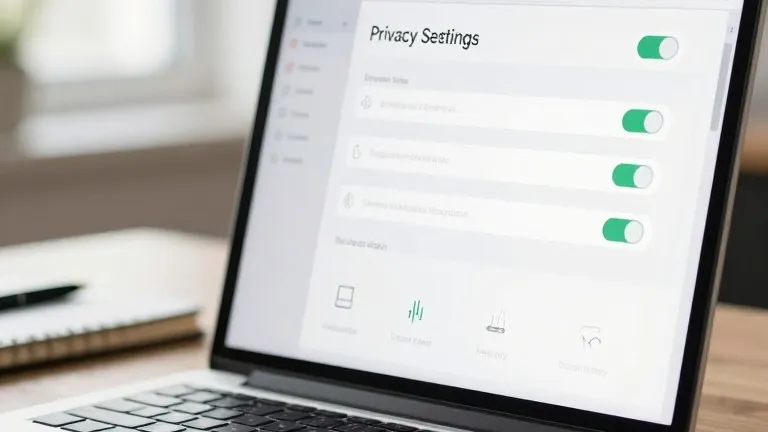
Users who wish to adjust these settings can access the Data and privacy section of the My Account page. From there, they should select Personalization settings and then choose Manage Personalized Recommendations in Search services. This page contains a Turn off button that disables personalized recommendations entirely.
The update was first identified by Android Authority and subsequently covered by The Verge. The change took effect exactly one week before the current report date. It represents a structural shift in how Google connects data across its ecosystem for advertising purposes.