Osasco's mall boom flips local vote from Lula to Flávio Bolsonaro
In a city trading factories for delivery apps, the shift in employment patterns is driving a change in political allegiance ahead of the final election.
By Elena Greco ·
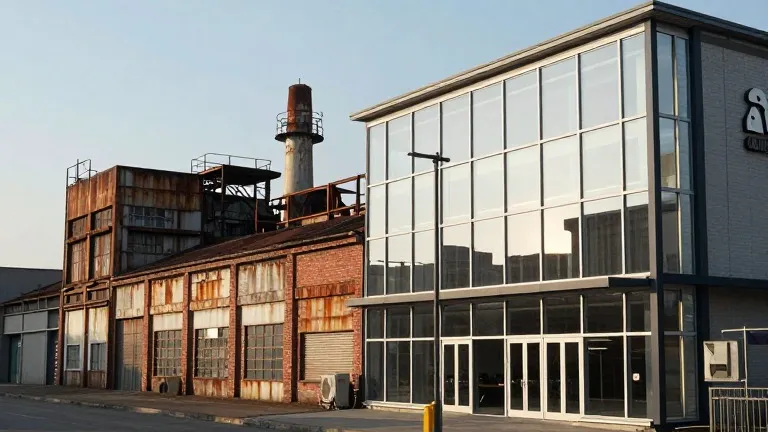
Osasco, a municipality in the São Paulo metropolitan area, voted for Luiz Inácio Lula da Silva in 2022 but shifted to Flávio Bolsonaro in the first round of this month's presidential election. The change coincides with a major structural shift in the local economy, where manufacturing plants have given way to commercial retail and gig work.
Gilberto Almazan, a metalworkers' union leader in Osasco, attributes the swing to the disappearance of industrial jobs. He notes that metal, chemical, and textile factories have closed while five shopping malls have opened. Almazan describes the local working class as having undergone a process of 'Uber-isation,' where workers prioritize flexibility over the collective bargaining structures that supported Lula's rise.
The city is now nicknamed 'Silicon Valley' due to its concentration of delivery app companies. Richard Lapper, a biographer of both candidates, argues that Brazil industrialized late and deindustrialized early, creating sharp economic disruptions. He characterizes Lula as a 'victim of his own success,' noting that while unemployment hit a record low, higher prices and household debt have eroded voter sentiment.
Local residents reflect this mixed experience. Robson, a 53-year-old civil servant, cites government 'mismanagement' and heavy taxes as reasons for his dissatisfaction. Tairine, a hot dog seller, plans to vote for Bolsonaro, stating she sees no improvement since Lula returned to office. Conversely, Gisele Bonfim, a lawyer who supported Lula in 2022, says Bolsonaro offers 'the hope of change.'
Nationally, 33 million people abstained from voting in the first round, the highest number since 1998. Flávio Bolsonaro has proposed cutting government spending and ministries while retaining key welfare programs. He also faces denied corruption accusations. Lula's campaign is mobilizing large street rallies, including one in São Paulo with approximately one million attendees, to counter the narrative that the 80-year-old president is past his prime.
In the Rio de Janeiro favela of Maré, Lula retained support among the poorest residents. Vitoria, an 18-year-old mother earning less than £300 a month, values the minimum wage increase and free medicines. However, she fears Bolsonaro's plan to designate the Comando Vermelho gang as a terrorist organization, recalling police raids last year that killed more than 130 people. Resident Andreza Dionísio cites polling station changes and a sense of hopelessness for the low turnout in her community.
Evangelical churches, attended by about a quarter of Brazilians, are filling social service gaps with childcare and food programs. Pastor Silas Malafaia, who is under investigation for obstructing his father's coup trial, states that Flávio Bolsonaro aligns with church values on family and abortion. Almazan fears there will never be another Lula, leaving the final outcome dependent on whether voters believe the incumbent can offer a new economic story.
Source: BBC News