PSEG Long Island Warns Customers Against Fake Shutoff Calls and QR Code Scams
The utility advises residents to verify account details independently and avoid paying via prepaid cards or cryptocurrency, citing a rise in fraudulent payment demands ahead of the holidays.
By Elena Greco ·
PSEG Long Island has issued an advisory urging customers to verify account details independently before paying unexpected bills or threats of imminent service interruption. The utility stated that scammers are increasingly using seasonal stress to pressure households and businesses into making immediate payments. Lou DeBrino, vice president of customer operations, said the theme for Utility Scam Awareness Day is "Think Before You Scan," emphasizing that vigilance is required whether a scammer demands a QR code scan, a prepaid debit card, or cryptocurrency.
DeBrino explained that fraudsters often use urgency to blindside victims, hoping they will panic and miss signs of a fake identity. He advised customers contacted unexpectedly by someone claiming to be from PSEG Long Island to step back and call the company directly to verify the claim before taking action. The utility noted that scammers frequently use phone spoofing technology to display the number "PSEG Long Island" on incoming calls, even when the caller is not affiliated with the company.
The company clarified that it will never request payment through web-based electronic payment services, prepaid debit cards, or Bitcoin. Scammers, however, often ask victims to buy a prepaid card at a local convenience store and read the PIN over the phone or transfer funds via a digital platform. PSEG Long Island employees also do not require deposits for priority meter installations, a tactic frequently used by impostors to secure upfront cash.
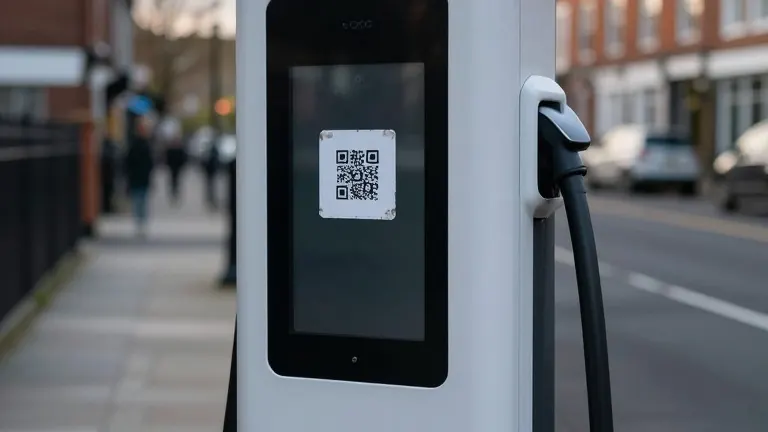
Monica Martinez, executive director of Utilities United Against Scams, stated that the latest wave of scams targets customers when their guard is down, often using fraudulent QR code stickers on public electric vehicle charging stations. These stickers feature branding that mimics legitimate utility programs, directing users to websites that request personal and credit card information. Martinez said that PSEG Long Island does not currently offer any programs that require customers to use its website to activate a public vehicle charging station.
Impersonation tactics also extend to door-to-door visits, where scammers may flash fake IDs or wear uniforms while driving vehicles with false company signs. They often ask for personal information or offer bogus discounts, which real utility representatives do not do. PSEG Long Island employees must carry a company ID and present it when requested. The utility trained its staff not to escalate situations, but if an impostor becomes aggressive in trying to gain entry, customers should consider calling 911.
Fraudsters also purchase web domains that closely resemble the utility's actual address to create replica websites. PSEG Long Island always uses the .com domain, and its official site is psegliny.com. Customers should note that a genuine representative will ask to speak to the customer of record. If that person is not available, the representative will not discuss the account details and will ask for a message. If a caller cannot provide the correct account name, address, and current balance, the customer is likely speaking with a fraudster.
For additional information on payment scams in the service area, customers can visit psegliny.com/myaccount/customersupport/scamsandfraud or call the company directly at 1-800-490-0025.