Twenty-Five Years of the Pocket Playlist
A quarter-century ago, a device the size of a card deck changed how people carried their favorite tunes.
By Elena Greco ·
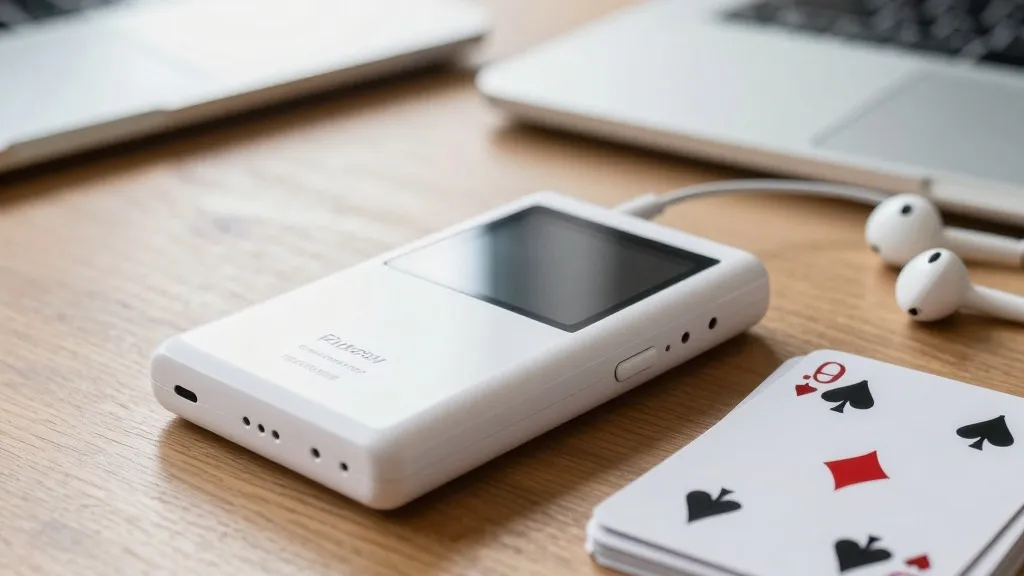
For those of us in New England, the arrival of October marks a specific milestone in personal tech history: it has been exactly 25 years since the original Apple iPod was revealed to the world. For ordinary people, this was the moment music stopped being tethered to a boombox or a laptop and became something you could slip into a coat pocket. Before smartphones became the universal multitasking tools they are today, this small white gadget was the go-to device for commuters, students, and anyone who wanted their entire favorite album collection with them without the bulk of a CD player.
The story begins in October 2001, a period when Apple was firmly recovering from the dot-com bubble burst. CEO Steve Jobs had already guided the company through the iMac era, and the brand was looking for the next big step. Jobs envisioned the Mac as the central hub for a digital lifestyle, connecting everything from cameras to DVD players. He saw portable music as a massive market that lacked a clear leader, despite competitors like Sony and Creative already offering portable players. Jobs argued that none of those rivals had yet found the right formula for digital music, making Apple the prime candidate to fill that void.
The device unveiled that day was an MP3 player capable of handling CD-quality sound and popular formats of the era, including MP3, WAV, and AIFF. The headline feature was its 5GB of storage, which allowed it to hold 1,000 songs. To put that in perspective, that capacity represented a typical pop music library at standard 160Kbps MP3 quality. Jobs emphasized that for the average user, this meant carrying their entire collection in a package only the size of a deck of cards.
The physical design was a significant engineering feat. The compact size was made possible by a 1.8-inch hard drive from Toshiba, which was just 0.2 inches thick. The finished product measured 2.4 by 4 by 0.78 inches and weighed a mere 6.5 ounces. At a price of $399, it was marketed as being lighter than most cell phones of the day, making it incredibly portable for daily use.
Beyond its size, the player offered fast connectivity through a FireWire 400 cable. Jobs highlighted that this connection was far superior to the USB standards of the time. While transferring a single CD of MP3s via USB could take five minutes, the iPod could do it in five to 10 seconds. Filling the entire 1,000-song library took only about 10 minutes on the iPod, compared to roughly five hours on a USB-based player. The device also featured a rechargeable lithium-polymer battery that provided 10 hours of continuous playback, with the ability to recharge to 80% in just one hour.
User experience was a major focus, with Jobs praising the minimalist design and the ease of use. The controls were designed for one-handed operation, featuring a scroll wheel with a piezoelectric clicker for tactile feedback. This allowed users to quickly navigate playlists, artists, or specific tracks. During the launch presentation, the first song demoed was 'Building a Mystery' by Sarah MacLachlan, showcasing the device's ability to find and play specific tracks instantly.
The launch also coincided with the release of iTunes 2, which introduced Auto-Sync. This feature ensured that any library curated on a Mac would automatically stay in sync with the iPod whenever it was connected for charging or data transfer. The iPod could even function as a FireWire hard drive, adding further utility to the device. The integration of hardware and software created a seamless ecosystem that was difficult for competitors to replicate.
The iPod line would continue to evolve, with the first iPhone arriving in early 2007, keeping the two devices in the product stack for over a decade. However, as smartphones matured, the dedicated music player began to fade. The final model, the 7th-generation iPod Touch, was released in May 2019. While the line was left unmaintained for a time, it was officially discontinued in May 2022, closing the chapter on a device that fundamentally changed how we listen to music on the go.
Source: Tom's Hardware · original report published