Wolves drift into Finnish villages after Google's forest removal project
Displaced wildlife is entering nearby settlements as regulators halt construction on unauthorized data center sites in eastern Finland.
By Xiaoyu Wang ·
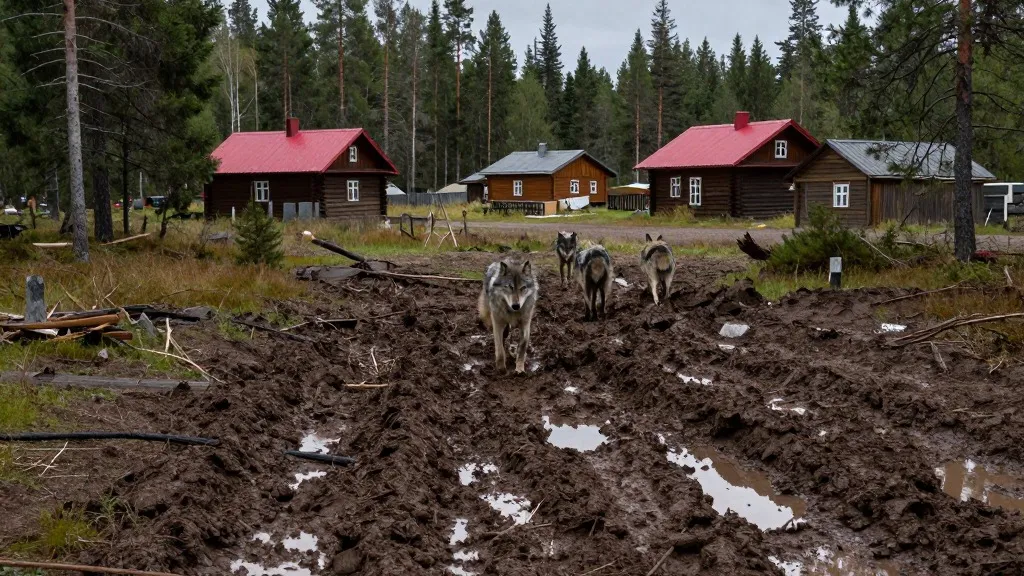
Wild wolves are now roaming into residential areas in eastern Finland, a direct consequence of the massive forest clearings carried out by Google near the village of Otanmäki. According to The Guardian, the displacement of wildlife from their traditional habitats has forced animals to seek shelter in neighboring communities, raising immediate safety concerns for local residents. This development marks the latest escalation in the dispute surrounding the tech giant's infrastructure projects in the region.
The situation stems from unauthorized land clearing that has transformed approximately 816 acres of forest into a muddy expanse. Google has been instructed to cease work on another roughly 500 acres of forest located 55 miles southeast of Otanmäki. The Finnish country manager for the company has issued an apology for the clearings, acknowledging the impact on the landscape. The construction sites are situated in the Muhos and Kajaani areas, where the ground has been significantly altered by the rapid pace of development.
Local residents report that the change in the local ecosystem has been abrupt and disruptive. Anni Ranta, a 53-year-old resident of Otanmäki whose family has lived in the area for generations, noted that wild animals, including wolves, have moved out of the forest and into the village. She explained, “We had wolves coming into the village because all the wild animals moved out of the forest.” Ranta also expressed concern that the presence of U.S.-owned data centers could make Finland a more attractive target for Russian aggression, adding a layer of geopolitical anxiety to the environmental dispute.
The construction has triggered a wave of complaints from locals beyond just the wildlife issue. Residents have reported increased noise from construction and factory operations, streams turning brown due to runoff, and rare bird species being pushed out of the area. These grievances reflect a broader pattern seen in other countries where AI data center developers have faced resistance over environmental side effects. The Finnish Association for Nature Conservation described Google’s handling of environmental policy as unprecedented and clearly at odds with local regulations.
In response to the mounting pressure, the Finnish Licensing and Supervision Authority (LVV) has issued an order for Google to stop development near both Muhos and Otanmäki. This regulatory action follows a notice given to the company earlier this month to halt construction activities in the Muhos and Kajaani regions. The LVV’s intervention highlights the severity of the unauthorized clearings and the regulatory scrutiny now being applied to the project.
Despite the regulatory halt, Google’s spokesperson maintained a positive outlook in a statement to The Guardian. “We will fully comply with LVV’s requests in this matter,” the spokesperson said. “We look forward to maintaining an active, open dialogue with all authorities to strengthen our partnership with Finland and local organizations.” The company appears to be relying on the promised business benefits of the data centers to maintain goodwill with the government and regulators.
The dispute highlights the tension between rapid technological expansion and environmental preservation in Finland. While Google aims to solidify its presence in the Nordic region, the physical impact on the land has been significant. The transformation of forested land into muddy construction zones has altered the local habitat, leading to the displacement of species that previously thrived in the area. The clearings have not only affected the environment but have also changed the daily reality for villagers who now share their space with displaced wildlife.
As the work pauses, the focus shifts to how the sites will be managed going forward. The LVV’s order to cease work provides a temporary halt, but questions remain about the long-term remediation of the cleared areas. The local community, led by long-term residents like Ranta, continues to voice concerns about both the environmental damage and the safety implications of the project. The outcome of the dialogue between Google and Finnish authorities will likely determine the future of these data centers and the restoration of the local forest.
For New England readers, this story serves as a reminder of the global footprint of AI infrastructure. As data centers are built worldwide to support artificial intelligence, the environmental costs are becoming increasingly visible. The case in Finland illustrates how rapid construction can disrupt local ecosystems and communities, leading to unexpected consequences such as wildlife migration into human settlements. The situation underscores the need for careful planning and regulatory oversight in the expansion of tech infrastructure.
The next steps involve continued dialogue between Google and the Finnish authorities to determine the path forward for the data centers. The company has committed to complying with the LVV’s requests, but the extent of the remediation and the timeline for resuming work remain to be seen. Meanwhile, the residents of Otanmäki and neighboring villages are adjusting to the new reality of living alongside displaced wildlife, hoping for a resolution that balances technological progress with environmental stewardship.
Source: Tom's Hardware