Amazon scraps four Northern Virginia data centers for housing and community projects
The tech giant will repurpose a 122-acre Loudoun County site for residential and mixed-use development after local opposition to AI infrastructure.
By Aiko Yamamoto ·
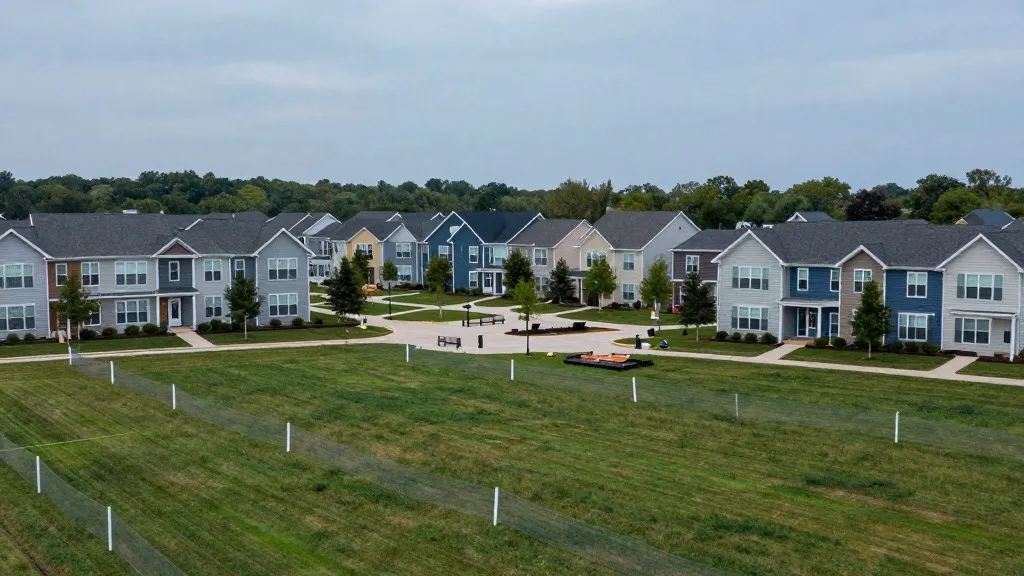
Amazon has officially abandoned plans to construct four new data centers on a 122-acre property in Loudoun County, a decision driven by intense local backlash. The company will instead convert the majority of the former George Washington University campus into mixed-use and residential spaces. This shift marks a significant reversal in a region already known for its dense concentration of computing infrastructure.
As part of the new agreement, Amazon will donate 25 acres of the land to Loudoun County. These grounds are designated for the construction of a community arts center and a new recreational facility. The company will also contribute $5 million to the county's housing fund. This financial and spatial investment aims to address resident concerns regarding noise levels and the massive power requirements of data center operations.
The dispute began when Amazon submitted its proposal to build the facilities in July. By September, the company met with Phyllis J. Randall, Chair of the Loudoun County Board of Supervisors. During these discussions, county officials suggested that an alternative use for the land might be more suitable. Amazon Vice President Josh Weissman acknowledged that the company had initially been eager to purchase the property but recognized the county's specific concerns about development at that particular location.
Weissman noted that while Amazon viewed the legal development potential of the site differently than the county did, the two parties agreed that a shared vision was preferable to costly litigation. This collaborative approach allowed for a resolution without the need for formal legal battles. The outcome prioritizes community needs over the rapid expansion of AI infrastructure that has been driving demand for larger facilities.
The decision comes as officials nationwide grapple with the environmental and economic impacts of the AI boom. Rising electricity prices and water usage have become central points of contention in local communities. Just days before this announcement, President Donald Trump called for data center operators to compensate local communities for energy-related price increases and to sell excess power back to the grid.
Randall emphasized that choosing dialogue over confrontation created a valuable opportunity for the county. She stated that the agreement provides new spaces for residents to gather and create, while also delivering more attainable homes for working families. The project now moves forward with a focus on housing and community amenities rather than massive server farms.
The next steps involve the detailed planning of the residential and mixed-use structures. Local stakeholders will continue to monitor the progress of the community arts center and the allocation of the housing fund. This project stands as a test case for balancing technological growth with local quality of life in the Washington, D.C. metropolitan area.
Source: Tom's Hardware