Amnesty International reports 40 killed in Binnari village raid
Survivors describe a massive motorcycle assault, while Amnesty International criticizes the government's response to rural banditry in Taraba State.
By Yuki Melnyk ·
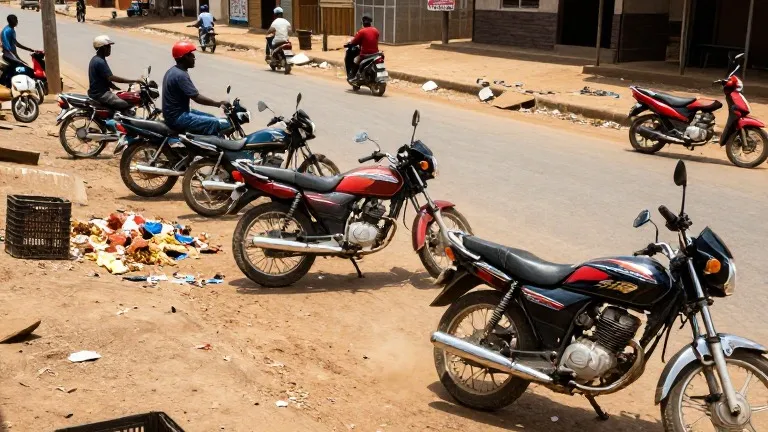
Police in Taraba State confirmed the recovery of 10 bodies following a raid on Binnari village on Friday. Officers stated that a large group of gunmen on motorcycles struck the community, looting food from local shops during the assault.
Resident accounts place the death toll considerably higher than the official figure. Sa'idu Nuhu, a Binnari resident, told AFP that survivors counted more than 20 bodies after the attackers withdrew. He noted that some individuals remained unaccounted for. Another resident, Isiyaku Musa, estimated that no fewer than 20 people died in the attack.
Amnesty International released a statement on Saturday claiming 40 people were killed in the incident. The organization noted that while police initially verified 10 deaths, additional bodies were discovered later in the day.
Malam Abubakar Saifullahi, a community leader, detailed the scale of the force that entered the village. He said assailants arrived on approximately 50 motorcycles, with two men aboard each vehicle. The group raided shops to seize cash, foodstuffs, and other provisions. They also confiscated motorcycles left behind by villagers fleeing the gunfire.
Residents reported that the gunmen opened fire immediately after Friday prayers. The violence marks the latest incident linked to banditry and armed groups operating across eastern Nigeria. These groups typically raid villages to collect ransom payments and levy taxes on rural workers.
Amnesty International criticized Nigerian authorities for leaving rural communities in the north vulnerable. The group stated that gunmen continue to commit atrocities with impunity in these areas.
In a separate military action on Saturday, the Nigerian army announced it killed 15 fighters in an air strike in Borno State. This operation targets the ongoing armed rebellion that began with the 2009 Boko Haram uprising.
Source: Al Jazeera