BlockP Claims 1 Million Users for AI-Driven Digital Habit Control
The free tool offers automated blocking features for social media and adult content, aiming to reduce reliance on user willpower for better screen time management.
By Yuki Melnyk ·
1,000,000 people use BlockP to manage their digital habits.
The figure represents the current user base for a free, AI-powered blocker designed to restrict access to distracting apps and websites. The application maintains a 4.6-star rating and operates on Android, iOS, Windows, macOS, and as a Chrome extension. It targets specific friction points in digital routines, such as endless scrolling and impulse browsing.
Digital habits often form through small, repeated actions rather than conscious decisions. Users frequently spend hours on their devices through fragmented moments, such as checking Instagram while waiting for tea to brew or watching YouTube Shorts before bed. These micro-interactions accumulate into large blocks of time that interrupt work or rest. The goal of tools like BlockP is to make desirable choices easier and undesirable ones harder to execute.
BlockP addresses these patterns by providing automated controls that remove the need for constant manual intervention. The software allows users to block specific features, such as Instagram Reels and YouTube Shorts, while retaining access to the rest of the applications. This preserves utility, like messaging friends or watching full tutorials, without triggering the infinite scroll loops that consume evenings.
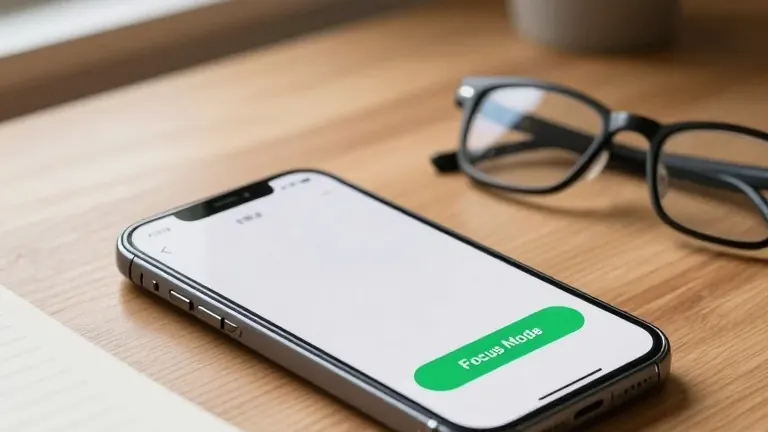
The application includes a Focus Mode that locks the device for set periods, allowing only essential apps to run. It also offers custom keyword blocking to filter out specific words and topics across browsers and apps. For content users are actively trying to avoid, the tool uses AI to scan pages in real time. It hides explicit images and videos, functioning even in incognito mode or when a VPN is active. This technical layer replaces the need for willpower, which often fails late at night or during periods of stress.
Accountability is another core feature of the platform. Users can assign a partner, such as a friend or family member, who holds the password to change settings. This prevents the user from quietly switching off the blocker or deleting the app in a moment of weakness. The system is designed to support a goal set by the individual, providing a structural check against slipping back into old patterns.
The core features of BlockP are available at no cost. A Premium tier adds stronger protection and priority support for those seeking more control. The service aligns with advice from habit experts who suggest that users should not try to change all digital behaviors at once. Instead, they recommend targeting the biggest time drains with two or three specific changes. Consistency over weeks allows new routines to feel normal, replacing the urge to check the phone with alternative activities like reading or walking.
Expect slips to occur during the process. One difficult day does not erase previous progress. The focus remains on returning to the routine the next day. BlockP aims to simplify this recovery by providing a system that works in the background, allowing users to focus on replacing harmful habits with productive ones without relying solely on memory or discipline.