Clashes in Tirana Leave Hundreds Hurt as Rally Intensifies
Security forces deployed water cannons and tear gas during a major antigovernment demonstration in the Albanian capital, marking a sharp escalation in the ongoing national crisis.
By Elena Greco ·
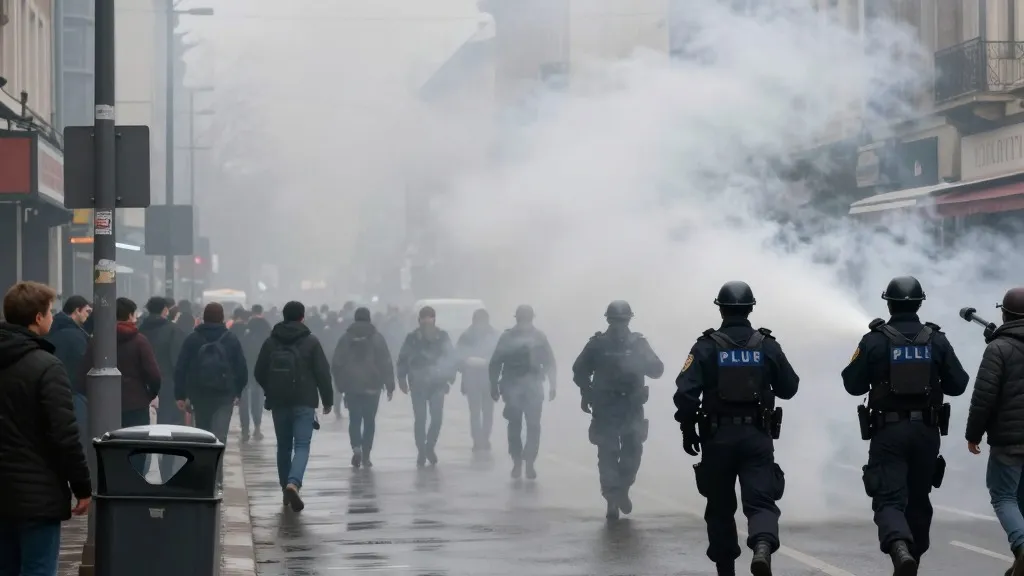
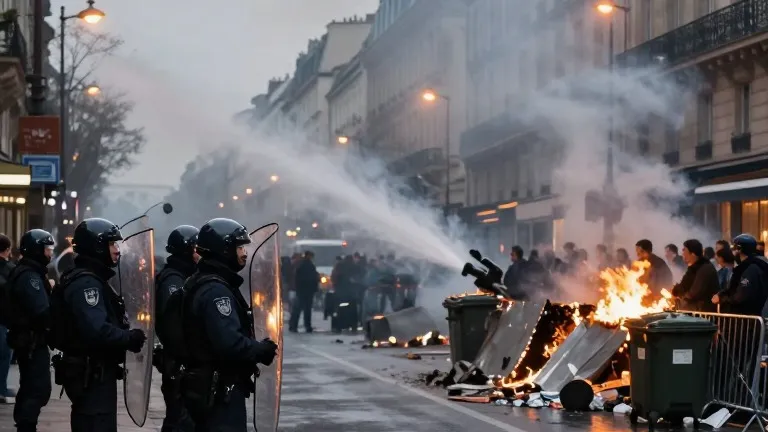
Security forces in Tirana deployed water cannons, tear gas, and rubber bullets on Saturday to disperse a large antigovernment crowd. The intervention resulted in significant injuries on both sides, with authorities reporting that over three hundred protesters and police officers were hurt. Dozens of demonstrators were also taken into custody. During the unrest, several state buildings came under attack, highlighting the intensity of the confrontation in the capital.
This latest flare-up follows a period of relative calm after the protests that started in mid-October. Those earlier demonstrations focused on deteriorating school conditions and the rising cost of living in the small Balkan nation. Since those initial rallies, clashes between civilians and police have occurred repeatedly, keeping tensions high despite brief lulls.
Organizers called for a major turnout on Saturday, urging students and citizens from across Albania to join the movement. The response was substantial, with thousands of people gathering in the city center. The rally drew support from a broad coalition of groups, including university professors, artists, and opposition political parties. Local media noted that police increased their presence around the capital and conducted vehicle checks on cars entering the city in preparation for the event.
The Ministry of Education served as a primary target for the crowd’s frustration. Demonstrators hurled stones at the facility and rolled burning trash bins toward the structure. This focus reflects the broader concerns about public services that have fueled the recent wave of activism.
The current crisis is part of a longer pattern of antigovernment sentiment that began in May. That period saw the revelation of a luxury hotel development connected to the family of United States President Donald Trump. Public anger over that issue expanded into a wider campaign targeting corruption and economic pressures. Protesters are now demanding the resignation of Prime Minister Edi Rama, a member of the Socialist Party.
Prime Minister Rama has attributed the recent violence to foreign influences. He specifically accused Russia and Iran of spreading online misinformation to fuel the unrest. While the leader has called for dialogue, the symbolic gestures of recent days have been met with resistance. On Saturday, red cushions were placed outside government headquarters as an invitation to talk, but protesters set them on fire.
The demonstrators have broadened their criticism to include the entire political elite. Signs carried by the crowd pointed out flaws in the leadership of the opposition as well. Specifically, some protesters criticized Sali Berisha, the center-right rival of Prime Minister Rama, indicating that the public is dissatisfied with the current political landscape regardless of party affiliation.