Houston Heat Pushes Metal Roof Costs Beyond Square Footage Metrics
Attic ventilation and panel type drive price gaps that can reach several thousand dollars for identical roof sizes.
By Elena Greco ·
Heat, not just size, drives the price of metal roofing in Houston.
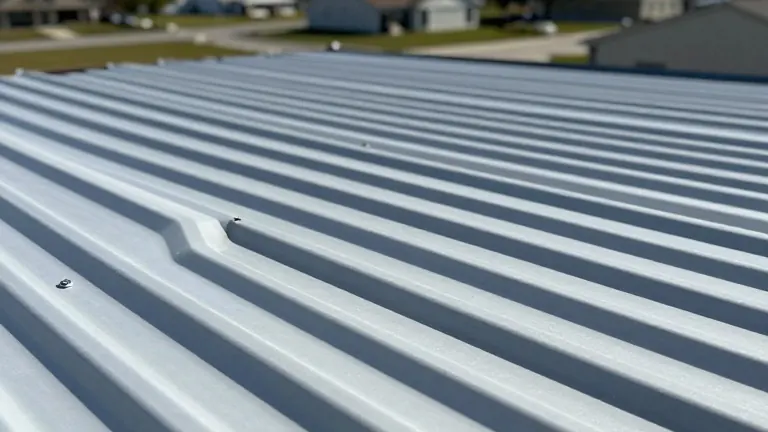
Published costs for metal roofing in the area range from six to ten dollars per square foot. A 1,500 square foot roof costs near five figures, while a 3,500 square foot roof exceeds that mark. For a 2,000 square foot roof, corrugated panels cost approximately $12,000 to $13,000. Standing seam panels cost closer to $19,000 for the same area. The difference comes from panel cost, clip count, and labor hours.
The U.S. Department of Energy notes that well-ventilated attics reduce cooling loads. In Houston, attic temperatures reach triple digits in July and remain high through September. Contractors must address airflow with ridge vents, soffit intake, and proper underlayment. Standing seam panels use concealed fasteners to shed water and protect clips, a feature that costs more than corrugated options with visible fasteners.
Homeowners face additional costs beyond the panel price. Removal and disposal of old shingles requires a separate line item. Attic ventilation upgrades, such as radiant barriers and intake baffles, add to the invoice. Penetrations like skylights, chimneys, and valleys require specific flashing and labor. A roof with two skylights and a masonry chimney costs more to detail than one with four vents and no chimney.
The Bureau of Labor Statistics data on roof replacement costs does not account for climate-specific wear. Asphalt shingles degrade faster in Houston heat than in milder zones. Metal panels maintain integrity over a longer service life, reducing maintenance bills over 30 years. No monthly rebate exists for metal roofs, but the avoided maintenance costs provide a financial return.
Weather patterns influence scheduling and pricing. The National Oceanic and Atmospheric Administration tracks the Gulf hurricane season, which fills contractor schedules. Installation in spring or late fall offers more bidding leverage than August. Homeowners should compare three bids with identical scopes, including panel gauge, finish, ventilation plan, and tear-off details. A roofer who cannot explain the ventilation math in plain English may lack the necessary expertise.
Contractors must itemize the removal of old decking and any necessary repairs. A 2,000 square foot standing seam roof with a chimney, vents, and a full tear-off will not cost the minimum rate. Homeowners should request written specifications for the panel name, warranty, and ventilation system before signing a contract.
Source: Yonkers Times
More Business · Scam Watch · Report a business · Got a Story?