Mestemaker's Pressure Mistakes Raise Draft Questions
Oklahoma State quarterback's turnover rate under duress has doubled since last season, prompting comparisons to other high-profile picks who faced similar hurdles in college.
By Justin Barnes ·
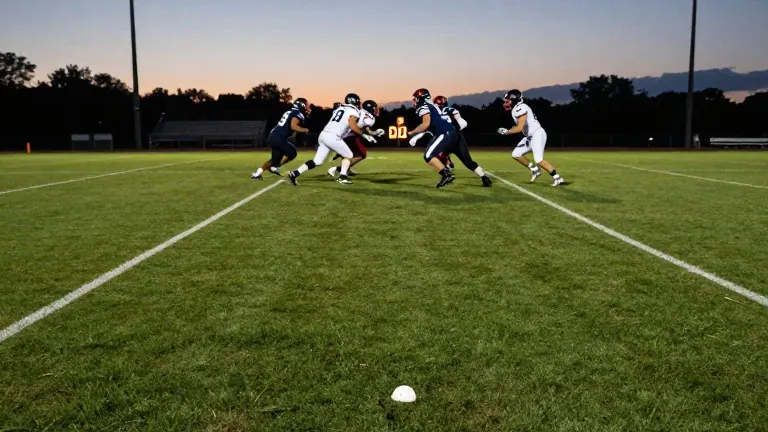
Drew Mestemaker of Oklahoma State has posted a 13.0% turnover-worthy play rate under pressure through Week 9 of the 2026 season, a figure that places him among the most risky prospects for the 2027 NFL Draft. According to PFF data, the quarterback has committed seven turnover-worthy plays in 54 dropbacks while under duress. This rate is more than double the 5.8% median for first-round quarterbacks in historical comparisons. Only Caleb Williams and Trevor Lawrence recorded higher rates in their final college seasons over the last decade.
The statistical profile of Mestemaker's play differs from that of the two former No. 1 overall picks. Williams and Lawrence both experienced single-year declines after posting stronger numbers earlier in their collegiate careers. Williams saw his turnover-worthy play rate rise from 0.9% in 2022 to 15.3% in 2023. Lawrence’s rate increased from 1.6% in 2019 to 13.2% in 2020. Mestemaker’s struggles, however, have persisted and worsened across two seasons. His rate stood at 8.3% under pressure at North Texas in 2025 before climbing to 13.0% at Oklahoma State this year.
Over the span of those two seasons, Mestemaker has put the ball in harm's way 13 times in 126 pressured situations, resulting in a combined 10.3% rate. NFL evaluators will scrutinize this trend when determining his draft position. The concern extends beyond simple interceptions. Turnover-worthy plays include dangerous throws that defenders drop or other errors that place the football at risk. These metrics help identify decision-making flaws that standard box scores often obscure.
Mestemaker possesses notable physical traits that keep him in the conversation for the top selection. He features a strong arm, throws with anticipation, and attacks all three levels of the defense. He demonstrates the patience to stand in the pocket, reset his feet, and deliver accurate passes into tight windows. His ability to manipulate defenders with his eyes and throw through coverage suggests high-level potential. Many analysts view him as a strong candidate for the first pick, though some currently rank Miami's Darian Mensah slightly ahead of him.
A trade-off in Mestemaker's development is visible in the data. He has improved his ability to avoid sacks, reducing that rate from roughly 21% of pressured plays last season to 11% this year. However, his average yards per attempt in those same situations has dropped from 5.6 to 4.5. This shift suggests he is holding the ball longer or making more conservative throws, yet the turnover rate has increased. Tape analysis shows moments where he forces passes into coverage instead of taking safer completions, or where his accuracy suffers when his footwork is disrupted.
Historical precedent offers mixed lessons for Mestemaker's evaluation. Patrick Mahomes finished his final season at Texas Tech with an 8.5% turnover-worthy play rate under pressure but averaged 9.4 yards per attempt and generated 14 big-time throws. Mestemaker currently averages 4.5 yards per attempt under pressure with three big-time throws against seven turnover-worthy plays. Mahomes created positive plays to offset his risks, a distinction Mestemaker has not yet matched.
Other quarterbacks have overcome similar college struggles. Jordan Love saw his turnover rate jump from 3.4% to 10.9% in his final season at Utah State, yet Green Bay selected him in the first round. He has since become a top-tier NFL quarterback. Josh Allen, Mestemaker's stated favorite, had an 8.9% turnover rate under pressure in his final college season. The Bills took him seventh overall in 2018, and he has developed into one of the league's premier players. Allen's journey inspired Mestemaker to wear No. 17.
Sam Darnold provides another example of a quarterback with a high pressure turnover rate, posting 10.5% in his final season at USC while averaging 11.0 yards per attempt in those situations. These cases illustrate that physical talent can sometimes outweigh college decision-making flaws. However, not every quarterback follows the same developmental path. Mestemaker did not start a varsity game as a quarterback in high school, having primarily played punter and safety before walking on at North Texas.
Mestemaker has the talent to be the first quarterback selected when he enters the draft, whether in 2027 or if he remains in school for 2028. His ability to make NFL-caliber throws is evident. The key variable for teams will be his decision-making under pressure. How he improves this aspect of his game will likely determine when he hears his name called.