Ukraine Confirms Starlink and Starshield Speeds Back to Pre-Disruption Levels
Satellite internet speeds returned to over 250 megabits per second after a week of throttling that hampered drone intercepts and front-line logistics.
By Justin Barnes ·
President Volodymyr Zelenskyy confirmed on Saturday that satellite internet speeds for Starlink and the military's Starshield system have returned to their pre-disruption levels. The restoration began overnight, ending a period of more than a week during which connectivity was severely limited.
The slowdown started abruptly, capping speeds at approximately 100 megabits per second. Ukraine's Defense Ministry stated that this reduction impeded critical military functions, including the interception of enemy drones and the coordination of missions. Before the restrictions, the network operated at speeds exceeding 250 megabits per second, a threshold the ministry's monitoring systems now confirm has been restored.
The cause of the slowdown became a point of contention between Kyiv and Washington. Zelenskyy told NBC's Meet the Press that Ukrainian officials believed the U.S. government initiated the limits. He noted that SpaceX appeared to act on a message from the American government. Elon Musk, the CEO of SpaceX, supported this view on October 14. He posted on X that Starshield is owned and controlled by the U.S. government and that speed limits are decided by the U.S. military and the president.
The Trump administration has denied direct interference in the decision. Speaking to reporters on Friday, President Donald Trump declined to identify who ordered the restrictions. He stated, "I wouldn't tell you if I did know." Trump also defended Musk, describing him as a fair person who rarely makes errors. Zelenskyy thanked all Americans in his post, specifically naming members of Congress, the State Department, and President Trump.
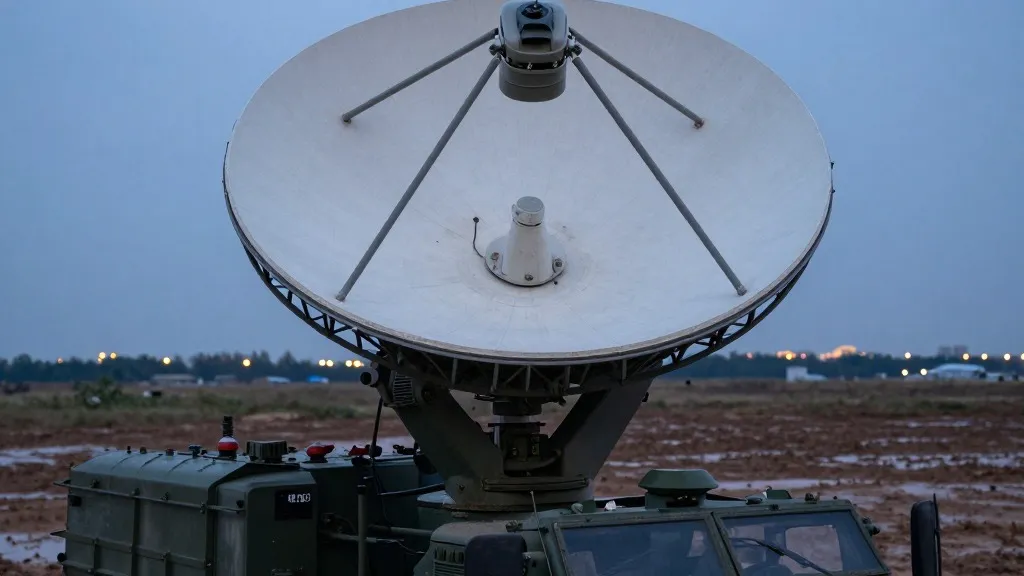
Defense Minister Yevhen Khmara attributed the resolution to direct dialogue by the Ukrainian president. He emphasized that the restored speeds are vital for front-line service members, drone operations, logistics, and communications. The satellite network supports the transport of food and water to soldiers and facilitates communication along the front. It also aids in protecting Ukrainian territory from Iranian-made Shahed drones deployed by Russia.
The technical fix arrives as diplomatic efforts accelerate. A trilateral meeting involving Russia, Ukraine, and the United States is scheduled for next month. The two sides have also agreed to a localized ceasefire in the occupied southern city of Oleshky. The White House announced that First Lady Melania Trump brokered the deal, which facilitates humanitarian aid and civilian evacuation. The agreement addresses a growing food crisis in the city.
Combat operations continue in other regions despite the diplomatic progress. On Saturday, Ukrainian forces targeted a chemical plant in the Russian city of Tolyatti. Simultaneously, a Russian drone struck a residential building in the Obolon District of Kyiv, igniting a fire. The restoration of high-speed satellite connectivity provides the military with the data bandwidth required to manage these ongoing engagements effectively.
Source: NPR