Voters Prioritize Prices and Economy in AP-NORC Poll Amid Tariff Concerns
New data shows economic strain is the central issue for midterms, with specific concerns from voters in North Carolina and Florida shaping the day's narrative.
By Elena Greco ·
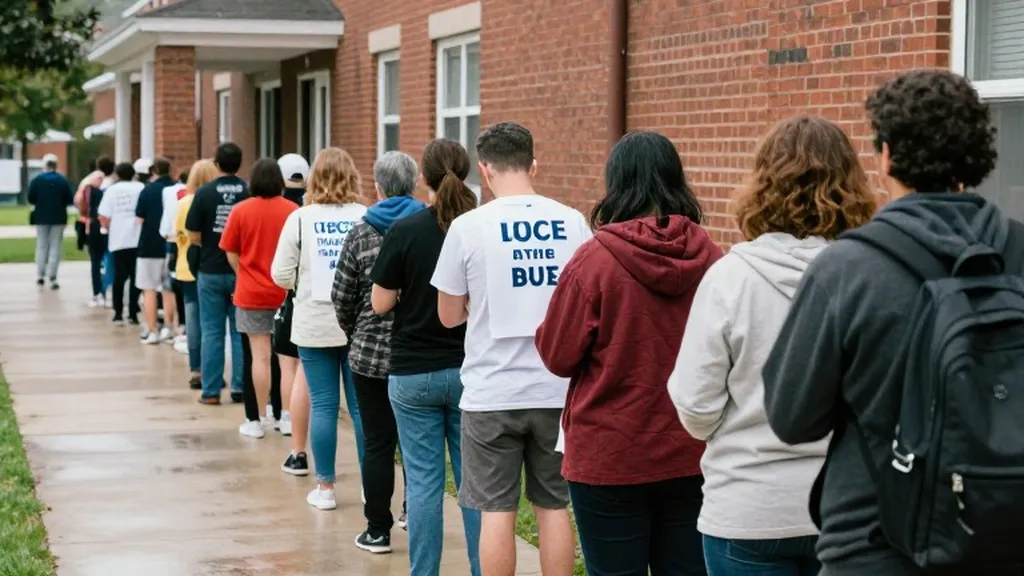
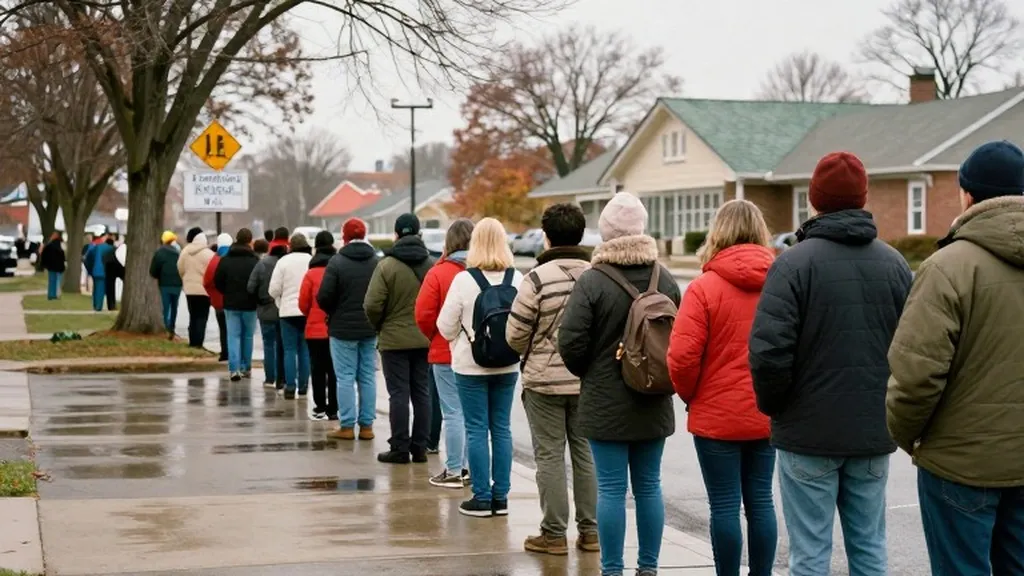
Voters across the United States turned out on Tuesday, November 3, 2026, to decide the balance of power in Congress during the midterm elections. The Associated Press describes the day as a referendum on President Donald Trump's second term, with many citizens focused on the state of the economy. According to AP-NORC polling, 35 percent of U.S. adults approve of Trump's job performance, while only 25 percent approve of his handling of the economy. Approximately 7 in 10 respondents said the country is heading in the wrong direction, with most blaming the president for high prices.
The economic mood is palpable in swing states where Senate and House races are tightly contested. In Raleigh, North Carolina, James Moore, a 57-year-old librarian, expressed frustration with the rising cost of living. Moore stated that he is paying more taxes, more for healthcare, and more for everything. His sentiments reflect the broader anxiety driving Democratic voters who see this election as a chance to check the administration's power. Democrats need a net gain of three districts in the House to take control of that chamber, a task complicated by the fact that Republicans can lose no more than two seats to maintain their majority.
Tariffs have emerged as a significant factor in voter sentiment, particularly in states with strong manufacturing or trade sectors. The Associated Press noted that economic strain and tariffs have made races like the one in Maine competitive. In Maine, Senator Susan Collins faces a challenge from Democratic former state Senate President Troy Jackson. The state voted for Kamala Harris in 2024, creating a unique political environment where economic concerns are reshaping traditional partisan lines. This shift is part of a broader trend where voters are looking beyond party labels to evaluate how national policies affect their daily budgets.
Contrasting this view, some Republican supporters remain confident in the administration's direction. In Palm Beach Gardens, Florida, voter Mark Barker said he has been following Trump the whole time and believes he is doing an awesome job. Florida is a key battleground for the Senate, where a special election is being held for the remainder of Marco Rubio's term. The race is viewed as a lean Democratic contest by several rating groups, despite the state's overall Republican lean in the 2024 presidential election. The outcome in Florida could influence the final tally for Senate control, where Democrats need a net gain of four seats to take the majority.
Money is playing a significant role in shaping the outcome, with the 2026 elections likely to be the most expensive in history. Republican committees outraised and outspent their Democratic counterparts, aided by Trump-affiliated groups and Elon Musk. However, at the candidate level, Democrats outraised their opponents. An analysis by the Associated Press of AdImpact data shows that 88.1 percent of Republican general election TV ad spending went to states and districts Trump won in 2024. This includes more than $850 million in states where he won by 10 points or more, indicating a strategy to entrench support in safe areas while competing in closer races.
The Associated Press reported that more than 57 million people had already voted as of Monday, surpassing the early vote total of four years ago in many closely watched states. This high level of early participation suggests that voters are eager to make their voices heard on key issues such as healthcare and the cost of living. House Democratic Leader Hakeem Jeffries has outlined a 100-day agenda focused on these topics, signaling that if Democrats win the House, oversight of the administration will be a primary focus. The potential for investigations and impeachment proceedings is a key motivator for Democratic voters who view the midterms as a critical check on executive power.
Redistricting has also altered the political landscape, with six states using new congressional maps after mid-decade redistricting. California, Florida, Missouri, North Carolina, Tennessee, and Texas are among the states with new maps, along with Ohio. These changes may impact the competitiveness of certain districts, as Republicans tried to use redistricting to beat the typical midterm pattern where a president's party loses seats. However, new districts in Florida and elsewhere may not vote as drawn, adding uncertainty to the final count. The complexity of these maps means that even small shifts in voter turnout could have significant consequences for the balance of power.
In the Senate, 35 seats are up for grabs, including 33 regular elections and two special elections. Republicans currently hold 53 seats, while Democrats hold 45, plus two independents who caucus with Democrats. The stakes are high, as a change in control would affect the ability to confirm judicial appointments and pass legislation. Key matchups include North Carolina, where former Governor Roy Cooper faces former RNC chair Michael Whatley, and Georgia, where Senator Jon Ossoff faces Representative Mike Collins. These races are seen as bellwethers for the national mood, with economic issues playing a central role in voter decision-making.
The administration's legal challenges to election administration have also drawn attention. A federal judge temporarily barred the Trump administration from carrying out a plan to prevent noncitizen voting, a move critics say risks disenfranchising eligible voters. Additionally, a judge ordered the administration to stop demanding that California election officials segregate ballots cast by people on its lists of suspected noncitizens. These legal battles add a layer of complexity to an already contentious election cycle, with both parties closely monitoring the process. The U.S. Postal Service added hours and staff to ensure mail ballots are counted on time, highlighting the logistical efforts underway to facilitate a smooth voting process.