Iran War and Inflation Drive Democratic Bid to Flip Congress
Voters face a referendum on the administration's handling of the Iran conflict and soaring prices, with polls open across all 50 states.
By Yuki Melnyk ·
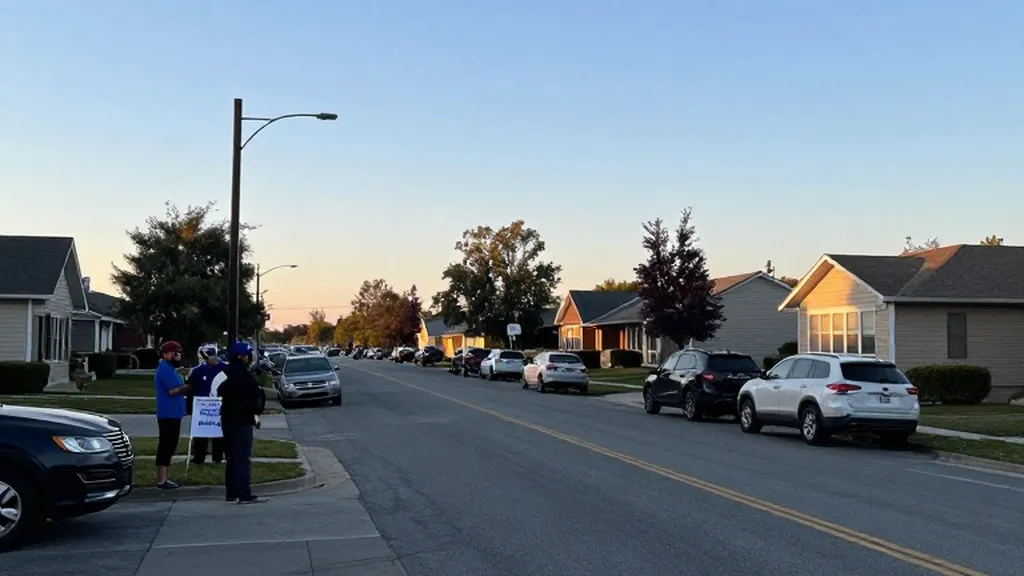
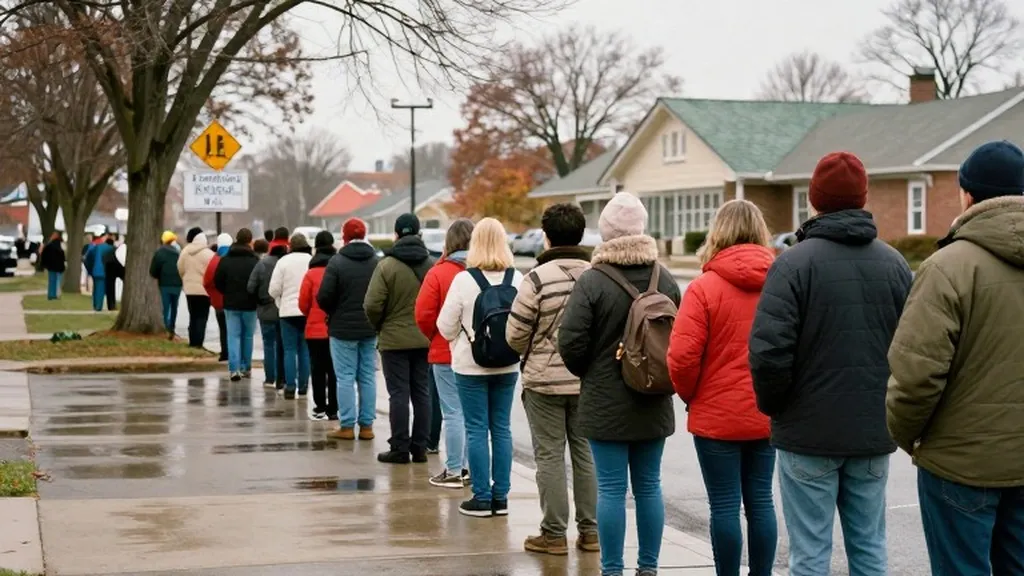
The Associated Press describes Tuesday's midterm election as a referendum on President Donald Trump's second term, noting that voters are struggling with high prices and are angry over an unpopular war with Iran. This conflict has become a central pillar of the Democratic argument for change, contrasting sharply with the Republican focus on national security. As polls open across the country, the mood is defined by economic anxiety and a desire for oversight of the administration's foreign policy decisions. The stakes are high, as the outcome will determine which party controls Congress for the final two years of the presidential term.
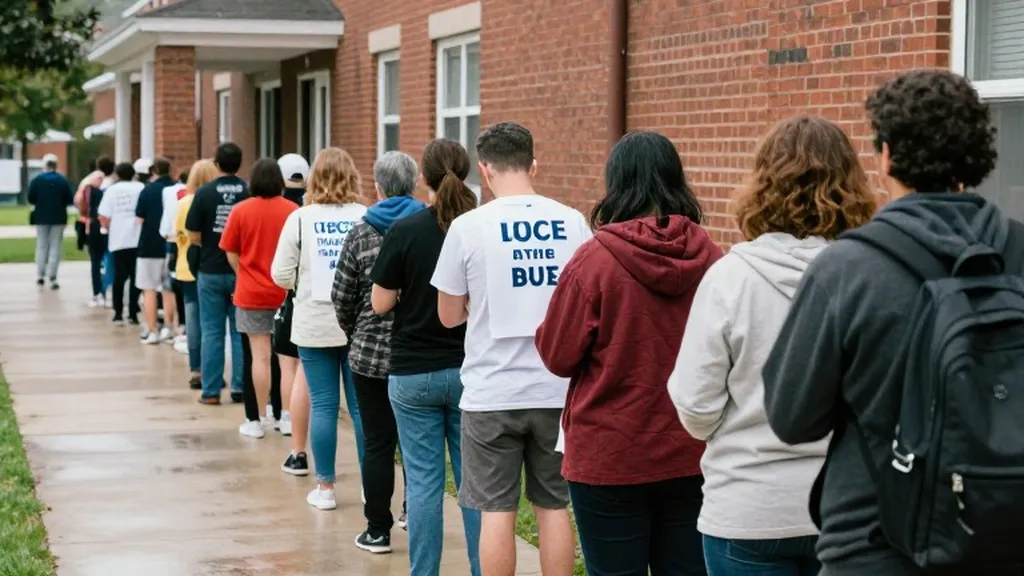
According to AP-NORC polling, 35% of U.S. adults approve of Trump's job performance, while only 25% approve of his handling of the economy. About seven in ten Americans say the country is heading in the wrong direction, with most blaming the president for high prices. These sentiments are driving the turnout, as more than 57 million people had already voted as of Monday. This number surpasses the early vote of four years ago in many closely watched states, signaling a robust engagement from voters who feel the cost of living and the Iran war are critical issues.
In the House, all 435 seats are up for grabs. Republicans currently hold 218 seats, while Democrats hold 214, with one independent and vacancies. Democrats need a net gain of three districts to achieve a majority, whereas Republicans can lose no more than two seats. Ballotpedia counts 46 battleground districts, including 25 held by Democrats and 21 by Republicans. Twenty-one Democratic-held districts voted for Trump in 2024, creating a challenging landscape for incumbents who must appeal to voters who supported the president in the previous cycle.
The Senate race involves 35 seats, including 33 regular elections and two special elections. Republicans hold 53 seats, Democrats 45, and two independents who caucus with Democrats. Democrats need a net gain of four seats for a majority, a threshold that Republicans can only defend by losing two seats at most. Eleven senators are not running again, including four Democrats and seven Republicans. The winners will begin their six-year terms on January 3, 2027, setting the stage for the next legislative cycle.
Governor races are also pivotal, with 36 governorships on the ballot. Republicans hold 26 governor's offices, and Democrats hold 24. Of the offices currently in play, each party holds 18. Nineteen of these races have no incumbent on the ballot, with 15 governors being term-limited. Democrats would need a net gain of two governorships to secure a nationwide majority, a status Republicans have held since 2010. This shift could significantly alter the balance of power in state legislatures and influence future redistricting efforts.
Six states are using new congressional maps following mid-decade redistricting: California, Florida, Missouri, North Carolina, Tennessee, and Texas. Ohio is also using a new map. These changes complicate the electoral landscape, as Republicans tried to beat the typical midterm pattern of losing seats by drawing favorable districts. However, the AP notes that new districts in Florida and elsewhere may not vote as drawn, introducing uncertainty into the final tally. The redistricting effort highlights the strategic importance of geographic representation in this election.
Republican committees outraised and outspent Democratic committees, helped by Trump-affiliated groups and Elon Musk. At the candidate level, Democrats outraised their opponents. An analysis of AdImpact data by the AP shows that 88.1% of Republican general election TV ad spending went to states and districts Trump won in 2024. More than $850 million was spent in areas where he won by 10 points or more. This financial edge is a significant obstacle for Democrats, who must compete against a well-funded opposition that is heavily focused on defending the president's legacy.
RNC Chairman Joe Gruters stated that everything depends on turnout, asserting that if Republicans turn out their voters, they will win. In contrast, DCCC Chair Rep. Suzan DelBene said the American people are angry and want change. Voter sentiment is mixed, with Mark Barker of Palm Beach Gardens, Florida, expressing support for Trump, while James Moore, a librarian in Raleigh, North Carolina, cited rising taxes and healthcare costs as primary concerns. These quotes reflect the divided nation that is heading to the polls on Election Day.
If Democrats win even one chamber, investigations and possible impeachment proceedings become likely. House Democratic Leader Hakeem Jeffries would be the first Black speaker if his party gains the House, and he has outlined a 100-day agenda focused on the cost of living and oversight. A strong Democratic night would also boost potential 2028 candidates like Gavin Newsom, JB Pritzker, and Pete Buttigieg, potentially complicating Vice President JD Vance's path. The result will have immediate implications for the administration's ability to push its agenda, including its approach to the Iran war and economic policy.
Election administration has seen legal challenges, with a federal judge temporarily barring the Trump administration from carrying out a plan to prevent noncitizen voting. Critics argue this risks disenfranchising eligible voters and infringes on states' authority. Another judge ordered the administration to stop demanding that California election officials segregate ballots cast by people on lists of suspected noncitizens. The U.S. Postal Service added hours, staff, and special lines to ensure mail ballots are counted on time. These administrative steps are crucial for ensuring a smooth voting process on a day with high stakes for the nation's political future.
Wall Street is watching the results closely, with Reuters noting that the outcome could add to investor concerns about AI spending and debt ceiling negotiations. The election is not just a domestic contest but a signal to global markets about the stability of U.S. policy. As polls close, the focus remains on what voters are doing and what is being decided, with no results or projections available yet. The day will be remembered for the clear choice voters face regarding the cost of living, health care, and the direction of the war with Iran.