Democratic control of both chambers triggers immediate oversight push and impeachment fight
With a 250-157 House majority and a 54-44 Senate lead, Democrats are moving to investigate the Iran war, fund education reforms, and test President Trump's veto power in the final two years of his term.
By Elena Greco ·
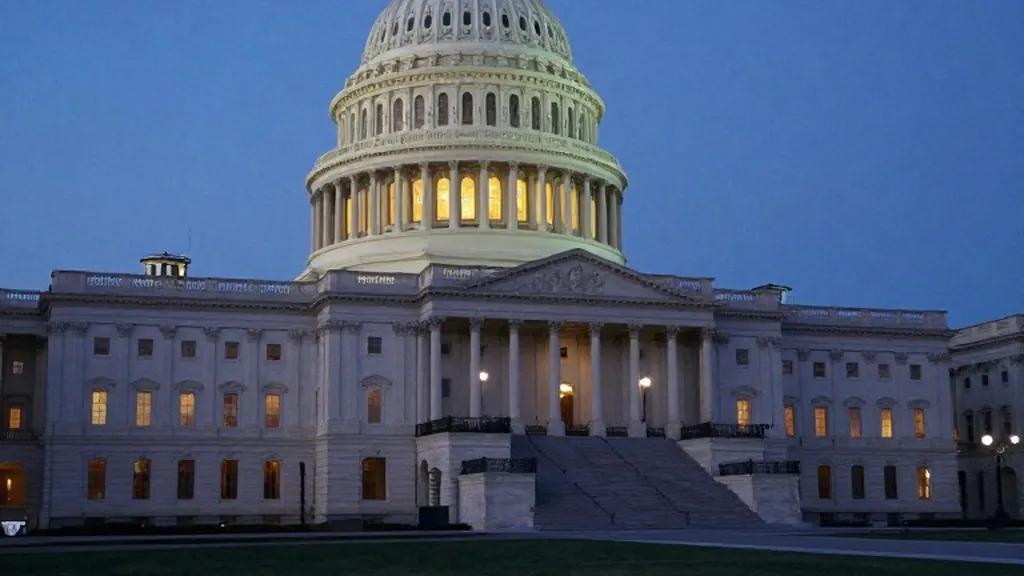
Democrats have secured majorities in both the U.S. House and Senate following the November 3, 2026, midterm elections, positioning the party to launch a sweeping oversight agenda and challenge President Donald Trump's policies during the final two years of his term. According to Ballotpedia, Democrats will hold at least a 250-157 majority in the House and a 54-44 majority in the Senate. This shift in power allows the party to control committee assignments, issue subpoenas, and condition federal funding, tools that were largely unavailable to them during the previous Republican-led Congress.
The immediate legislative focus includes the war in Iran, which many Democrats cite as a primary driver of voter dissatisfaction. Representative Thomas Massie, a Kentucky Republican, has already moved to force a vote to impeach Defense Secretary Pete Hegseth. The resolution focuses on the secretary's role in military actions in Iran, Yemen, and Venezuela. While House Speaker Mike Johnson warned against impeaching a Cabinet secretary during active hostilities, Democratic Leader Hakeem Jeffries stated over the weekend that it is time for the Defense secretary to go. A vote in the House could come by mid-week, setting the stage for a potential trial in the Senate once Republicans cede control in January.
In the Senate, Democrats are preparing to use their new majority to block or modify nominees and to pass legislation that the previous chamber stalled. The chamber is set to take up bipartisan legislation aimed at speeding up permitting reviews for data centers and other infrastructure projects. This move reflects the party's priority of lowering the cost of living and expanding digital infrastructure. With a 54-44 margin, Democrats have the numbers to pass bills over a Republican filibuster, a significant procedural change that could allow them to enact their 100-day agenda without needing Republican support.
Education policy is another area where the new Democratic leadership plans to assert control. Representative Bobby Scott of Virginia, the top Democrat on the House Committee on Education and the Workforce, said he plans to leave no rock unturned in investigating the Trump administration's dismantling of the U.S. Education Department. The committee will explore the oversight of federal student loans and anti-discrimination policies. Senator Elizabeth Warren of Massachusetts has called on her colleagues to hold the administration accountable for turning its back on students. These investigations aim to uncover how decisions were made and to apply political pressure, although they are not expected to reverse every policy change immediately.
Funding leverage is expected to play a central role in the Democrats' strategy. Senator Chris Van Hollen of Maryland, a member of the Appropriations Committee, indicated that the party will use the power of the purse to establish guard rails against what he described as abusive practices by the administration. Democrats are exploring conditions on spending bills to rein in the Trump administration's education agenda and to condition federal funding for higher education. This approach is seen as a way to prevent further damage to federal programs, even if it does not fully reverse the dismantling of the Education Department that has already occurred.
The Republican money advantage, which saw Republican-affiliated groups spend roughly 60% more than Democratic-aligned groups in Senate races according to OpenSecrets, did not prevent a net loss of seven Senate seats. This outcome suggests that voter dissatisfaction with the cost of living and government corruption outweighed the financial edge. The AP Voter Poll found that three-quarters of voters said the economy is not so good or poor, and about 8 in 10 said inflation has caused financial hardship. These economic concerns are expected to remain central to the Democratic agenda as they seek to deliver on promises to lower costs for households.
Redistricting also played a role in the election results, with several states using new congressional maps for the 2026 election. California, Florida, Missouri, North Carolina, Tennessee, and Texas all used different maps than they did in 2024. These changes contributed to the Democratic gains in the House, where the party picked up at least 43 seats. The shift in control of these chambers means that Democrats will have the ability to shape the legislative calendar and prioritize issues such as health care and oversight of the administration. The party's 100-day agenda will likely focus on these high-priority areas to maintain public support ahead of the 2028 presidential race.
As the new Congress convenes in January, the dynamics of the final two years of the Trump administration will be defined by the interplay between the executive branch's veto power and the legislative branch's oversight authority. Trump has pledged to veto Democratic bills he sees as harmful, creating a potential gridlock on major legislation. However, the Democrats' control of both chambers gives them the tools to investigate, fund, and block. The upcoming impeachment vote on Defense Secretary Hegseth will be the first major test of this new balance of power, with the outcome potentially setting the tone for the party's approach to the rest of the administration.
The election results also highlight the importance of state-level victories, with Democrats winning a majority of governorships for the first time since before the 2010 elections. This state-level strength provides additional leverage for Democratic priorities and may influence the party's strategy in 2028. As the party looks ahead, the focus will be on translating their electoral victories into tangible achievements that address the concerns of voters who turned out in high numbers on November 3. The next two years will be a critical period for both parties as they set the stage for the next presidential contest.