Democrats Seize Both Chambers, Setting Stage for Oversight of Trump Agenda
A historic shift in power gives the party new tools to investigate the administration's education policies and military actions, though legislative battles remain ahead.
By Justin Barnes ·
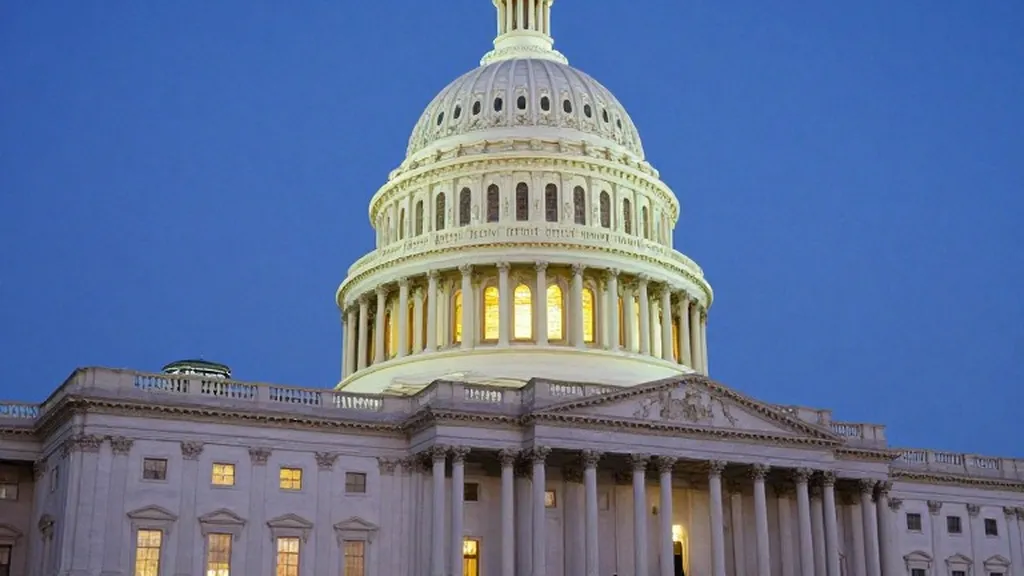
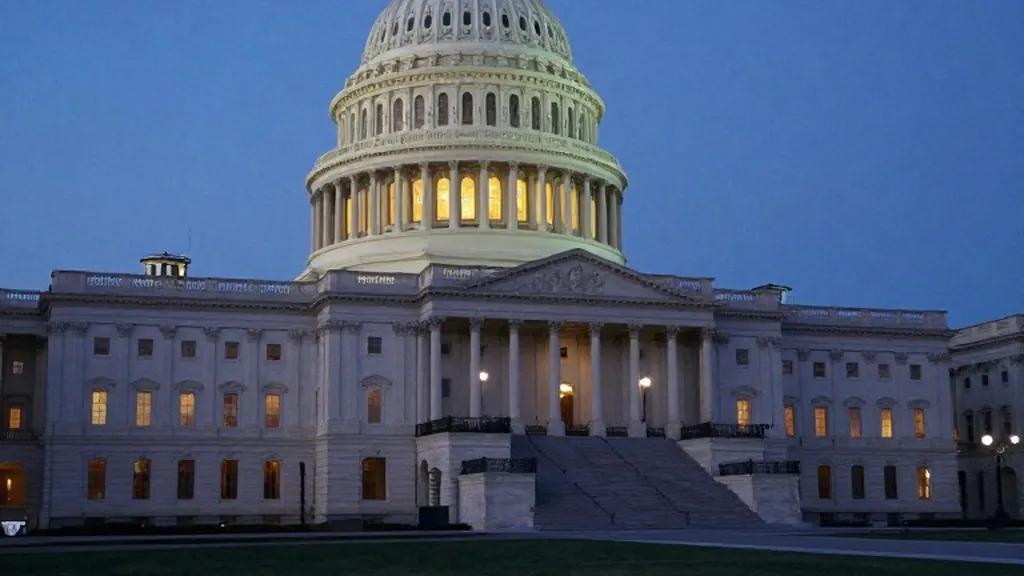
Tuesday, November 3, 2026, marked a decisive turning point in American politics as Democrats secured majorities in both the U.S. House of Representatives and the Senate. According to election results compiled by Ballotpedia, Democrats picked up at least 43 House seats and seven Senate seats, all of which were previously held by Republicans. As of 4:00 PM ET on November 6, the party holds at least a 250-157 majority in the House and a 54-44 majority in the Senate. This significant net loss of seven Senate seats for Republicans places this election year in the top 20% of historical swings against a president’s party, a threshold often defined as a wave election.
The shift in power offers Democrats a new platform to challenge the administration’s agenda, particularly in areas that have drawn widespread concern from their base. With control of both chambers, the party can now leverage its oversight and appropriations powers more effectively. Rep. Bobby Scott of Virginia, the top Democrat on the House Committee on Education and the Workforce, indicated that he plans to leave no rock unturned in investigating the administration’s dismantling of the U.S. Education Department. Scott noted that the committee is preparing to explore the department’s oversight of federal student loans and its anti-discrimination policies, aiming to uncover how key decisions were made during the administration’s tenure.
Sen. Elizabeth Warren of Massachusetts has called on her colleagues to hold the administration accountable for what she describes as the dismantling of the Department of Education. She emphasized the need to protect students from policy changes that have reverberated through schools and universities nationwide. While the White House has given no sign of backing away from its campaigns to close the department, Democrats are now in a position to use federal funding as leverage. This approach allows them to push back against decisions that have previously faced limited resistance due to the party’s lack of a unified majority in Congress.
The new congressional composition also impacts the legislative strategy regarding the administration’s education policies. Democrats on the Senate Appropriations Committee are exploring harder checks through the budgeting process. Sen. Chris Van Hollen of Maryland, a member of that committee, stated there will be an interest in using the power of the purse to establish guard rails and prevent abusive practices. He noted that while it is harder to rebuild an entity just through an appropriations bill, the new majority can certainly try to prevent further damage and then seek to reverse the harm that has already been done to the department’s structure and mission.
Beyond education, the shift in power has immediate implications for oversight of the administration’s military actions. Rep. Thomas Massie of Kentucky, a Republican, moved to force a vote to impeach Defense Secretary Pete Hegseth following the election results. Massie argued that Hegseth’s actions in the war in Iran, as well as military operations in Yemen and Venezuela, amounted to high crimes and misdemeanors. This move was supported by House Democratic Leader Hakeem Jeffries, who sees the new majority as an opportunity to address what many in the party view as overreach by the executive branch.
The impeachment push has already sparked a fierce debate within the GOP. President Donald Trump lashed out at Massie personally, calling him a loser who has a lot of hatred in his heart. Despite the president’s criticism, the move signals a growing willingness among some Republicans to align with Democrats on specific oversight issues. If the House votes to impeach, it will fall to the Senate to either dismiss the charges or hold a trial, a process that will now be managed by a Senate under Democratic control.
The election results also reflect a broader realignment in state governments. Democrats won a majority of governorships for the first time since before the 2010 elections. In California, Xavier Becerra became the state’s first elected Latino governor, a win that highlighted the influence of Catholic voters, particularly Latinos, in the region. Becerra’s victory was part of a streak where California has elected five consecutive Catholic governors, a demographic trend that continues to shape the state’s political landscape and its national influence.
However, the path forward is not without obstacles. The White House has signaled that President Trump will use his veto power against bills he views as harmful to his agenda. This creates a significant hurdle for Democrats who hope to pass legislative countermeasures to the administration’s policies. Diana Autin, executive director of the SPAN Parent Advocacy Network, noted that while the new Congress is unlikely to pass legislation similar to that of the previous year, it is not very likely that they will be able to undo the harm that has already been done through executive action alone.
The administration’s officials have denounced the Democrats’ plans, with Education Department spokesperson Savannah Newhouse accusing them of plotting to prematurely sabotage Education Secretary Linda McMahon. White House spokesperson Liz Huston added that Democrats have failed American students with disastrous leadership before President Trump returned to office. These responses underscore the intensity of the political battle that will define the next two years, with both sides now positioned for a prolonged struggle over the direction of federal policy.
Ultimately, the election results provide Democrats with the tools to challenge the administration on multiple fronts, from education to defense. The new majority in Congress allows for a more aggressive use of oversight hearings and budgetary conditions, offering a check on executive power that was previously limited. As the new Congress prepares to convene in January, the focus will shift to how effectively Democrats can translate their electoral victory into concrete policy changes that address the concerns of voters who helped bring about this significant shift in power.