New House and Senate Majorities Set Stage for Oversight and Nominee Battles
Democratic gains in both chambers unlock immediate investigative powers and control over executive nominations, setting the tone for the final two years of the Trump administration.
By Elena Greco ·
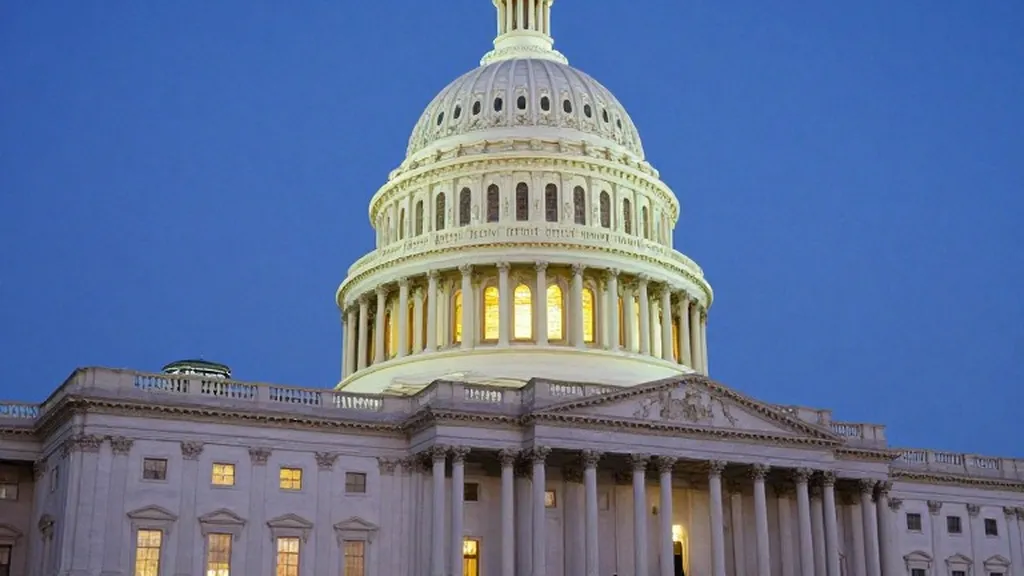
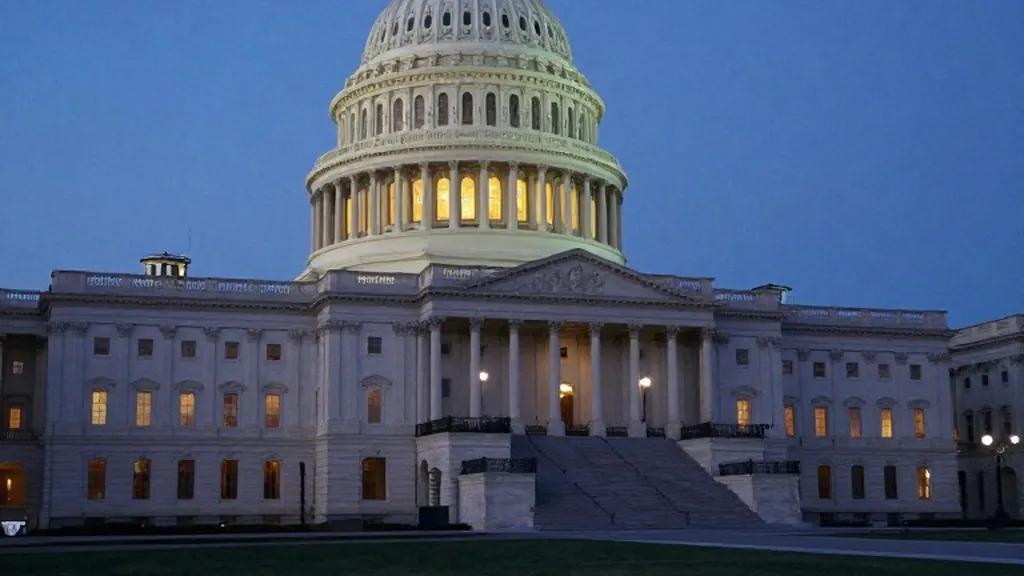
Democratic voters delivered a decisive shift in power on Tuesday, November 3, 2026, securing majorities in both the U.S. House and the U.S. Senate. According to Ballotpedia results compiled as of 4 p.m. EST on November 6, Democrats picked up at least 43 House seats and seven Senate seats. The party now holds at least a 250-157 majority in the House and a 54-44 majority in the Senate. This outcome marks a significant wave election, with Republicans losing at least seven Senate seats, a threshold that places this year in the top 20% of election years for seat swings against a president’s party.
The new House majority immediately empowers Democratic leaders to launch investigations into the administration’s actions. Rep. Bobby Scott of Virginia, the top Democrat on the House Committee on Education and the Workforce, stated he plans to leave no rock unturned in using the panel’s investigative powers. His committee is preparing to explore the Trump administration's dismantling of the Education Department, its oversight of federal student loans, and its anti-discrimination policies. Scott sent a letter to 10 federal agencies a day after the elections, reminding them to preserve records that might become part of a congressional review.
Beyond education, the focus of oversight will likely expand to the Department of Defense. Rep. Thomas Massie, a Kentucky Republican who lost his primary to a Trump-backed opponent, filed an impeachment resolution against Defense Secretary Pete Hegseth on Monday. The resolution focuses on Hegseth's handling of the war against Iran and military actions in Yemen and Venezuela. Hegseth held his first press briefing in six months on Tuesday, arguing that a rogue lawmaker is targeting him over policy disagreements rather than high crimes. He stated that in 250 years of the American republic, no Secretary of War or Defense has been impeached for carrying out lawful military operations.
The Senate majority gives Democrats control over the confirmation process for executive nominees. With a 54-44 majority, the party can block or advance candidates for key positions, including federal judges and agency heads. This control is expected to be used to scrutinize nominees closely, particularly those associated with the administration’s recent policy shifts. Democrats on the Senate Appropriations Committee are also exploring harder checks through the budgeting process. Sen. Chris Van Hollen of Maryland noted that there will be an interest in using the power of the purse to establish guard rails and prevent abusive practices by the administration.
The final two years of the Trump administration will also see increased pressure on the executive branch regarding the Iran conflict. The war has been ongoing for more than eight months, with intermittent operations against Iran and strikes on alleged drug-smuggling boats in Latin America. President Trump told reporters Monday that the Iran war is militarily effectively over, though Iran has continued to strike U.S. military bases in the Middle East and disrupt shipping in the Strait of Hormuz. These actions have driven up global oil prices, a factor that many Republicans blamed for their election losses.
Democrats also plan to use their new power to rein in the administration’s education agenda. The White House has shown no sign of backing away from its campaigns to close the Education Department and end diversity, equity and inclusion policies. Education Department spokesperson Savannah Newhouse accused Democrats of plotting to prematurely sabotage Education Secretary Linda McMahon. In response, Sen. Elizabeth Warren of Massachusetts called on Democrats to hold the administration accountable for dismantling the department and turning its back on students. Democrats are preparing to condition federal funding to rein in the administration's battle to reshape higher education, including efforts to cut funding at Harvard and other prestigious institutions.
The election results also reflect a broader trend of Democratic success in state and local races. Democrats won a plurality of state government trifectas and a majority of governorships for the first time since before the 2010 elections. As of 4 p.m. EST on November 6, Democrats had won 22 of 36 gubernatorial races, while Republicans won 12. In California, Xavier Becerra won the governor's race, becoming the state's first elected Latino governor and the fifth consecutive Catholic governor. Becerra’s win exemplifies the deep roots of Catholicism in California politics, where the faith often aligns with progressive values.
The shift in congressional control means that legislative countermeasures to the administration’s policies are now possible, though limited by the president’s veto power. Trump has pledged to veto Democratic bills he sees as harmful, making investigations and appropriations the primary tools for Democrats. Diana Autin, executive director of the SPAN Parent Advocacy Network, noted that while Democrats are happy this Congress is unlikely to pass legislation like that passed last year, it is not very likely they will be able to undo the harm already done. The new Congress will focus on preventing further damage and seeking to reverse the harm through oversight and funding conditions.
Looking ahead to the 2028 cycle, the 2026 results will shape the field of candidates. The wave election suggests a strong Democratic base, but Republicans’ net loss of 42 House seats is short of the 48 needed to qualify as a full wave, though uncalled races could change that total. The party’s success in flipping state legislatures and governorships provides a platform for building future national campaigns. Democratic figures will likely use the 2026 victories to argue for continued investment in cost of living and health care issues, which were central to the campaign.
The new Congress begins its work with a clear mandate from voters who prioritized oversight of the administration and economic stability. The immediate agenda includes investigating the Education Department’s dismantling, reviewing the Iran war strategy, and managing the confirmation of new nominees. As the administration enters its final two years, the balance of power in Washington has shifted decisively, setting the stage for a period of intense political scrutiny and legislative action.