Democrats seize both chambers of Congress in historic 2026 midterm landslide
The party of President Trump has lost control of the House and Senate, triggering a major shift in legislative power and oversight capabilities for the new term.
By Elena Greco ·
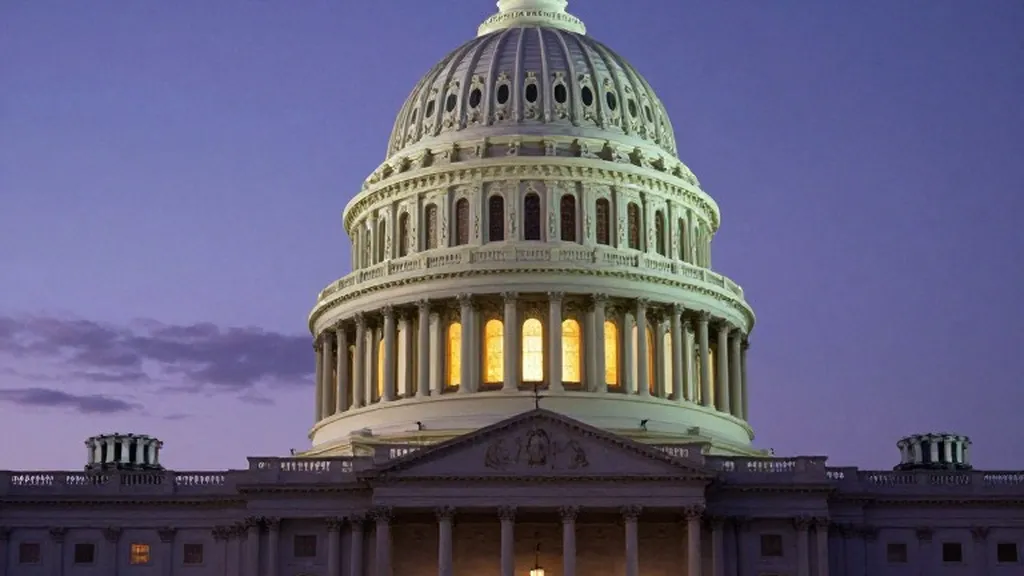
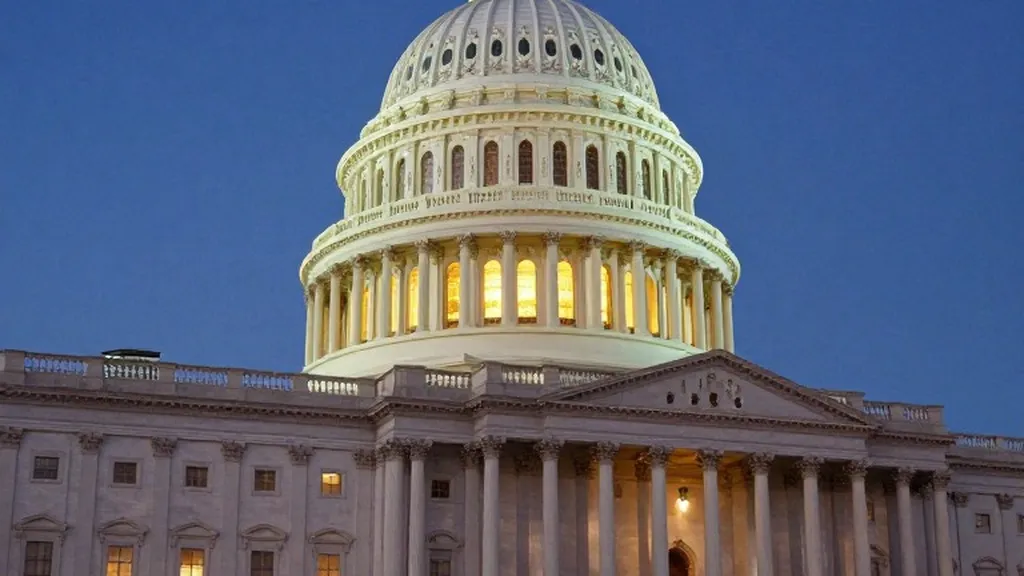
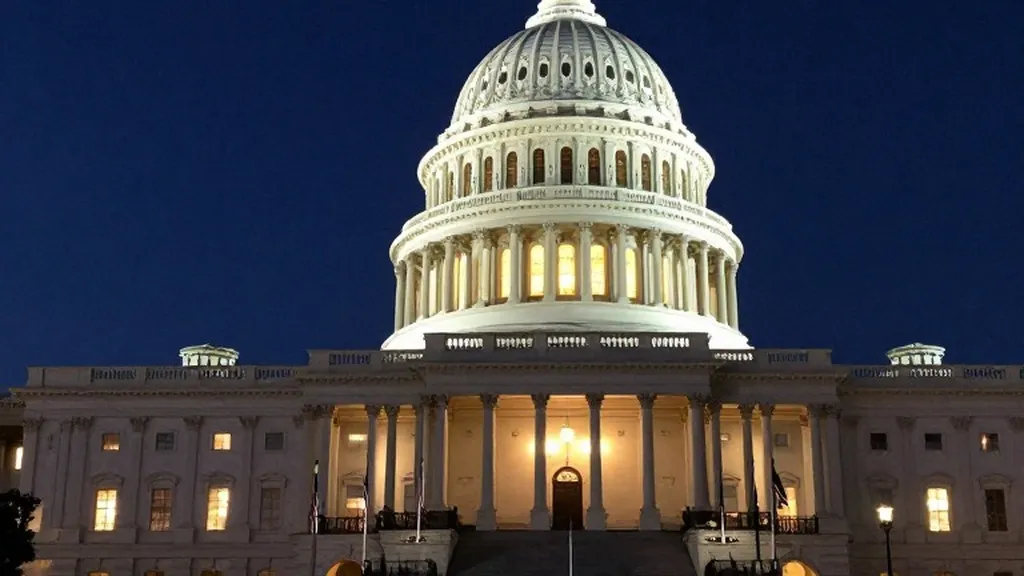
The 2026 midterm elections have concluded with a decisive victory for the Democratic Party, which has secured majorities in both the United States House of Representatives and the Senate. According to election results compiled by Ballotpedia, Democrats picked up at least 43 House seats and seven Senate seats, all of which were previously held by Republicans or independents. This shift places the party in a position of significant legislative power, with a projected majority of at least 250 to 157 in the House and 54 to 44 in the Senate. The scale of the Republican loss marks one of the largest seat swings against a president's party in recent history, a threshold often defined by analysts as a wave election.
The loss of the Senate is particularly significant because it grants Democrats full control over the confirmation of federal judges and cabinet-level appointments. With the new majority, the party can now advance its legislative agenda with a higher degree of certainty, including measures related to cost of living and health care that have been central to their campaign messages. The Republican Party, which had held firm control of both chambers for the previous two years, now faces a steep climb to rebuild its legislative footprint. The net loss of at least seven Senate seats for the Republicans underscores the depth of voter dissatisfaction with the current administration's policies and handling of domestic issues.
In the House of Representatives, the Democratic gain of 42 seats from the Republican Party is substantial, though it falls slightly short of the 48-seat loss that would typically define a historic wave in the lower chamber. However, with results still being finalized in certain races, the final margin could shift further. The new House composition will allow Democrats to prioritize oversight of the Trump administration, a key promise made to voters who expressed frustration with the executive branch's actions on the Iran war and other foreign policy matters. The party's leadership can now expect to control the committee assignments that determine the flow of investigations and budgetary reviews.
Beyond the federal level, Democrats have expanded their influence in state governments across the country. The party won a plurality of state government trifectas, which include the governorship and control of both legislative chambers. This is the first time since before the 2010 elections that Democrats have achieved a majority of governorships. In total, Democrats secured 20 triplexes, defined as the governor and both state legislative houses, while Republicans held 11. This state-level strength provides a broader base for future electoral strategies and allows for the implementation of state-level policies that align with the party's national platform on economic and social issues.
The results reflect a broad coalition of voters who prioritized economic stability and healthcare access. The Democratic victory in 22 gubernatorial races, compared to 12 for Republicans, highlights a strong performance in key states where the cost of living has been a primary concern. The party also won 46 of the 88 state legislative chambers on the ballot, a significant margin that will help shape the legislative agenda for the next two years. This control at the state level is crucial for Democrats, as it allows them to pass laws and regulations that directly impact the daily lives of voters, from education funding to infrastructure projects.
The Republican Party's loss of power comes at a time of significant internal transition within the White House. President Donald Trump has announced that he is replacing his longtime adviser Susie Wiles with Stephen Miller as the next chief of staff. Miller, known for his role in architecting the administration's hard-line immigration policies, is seen as a more determined figure in the president's inner circle. This shake-up follows a period of turmoil in the White House press office, where Trump recently offered the position of press secretary to UFC boss Dana White, an unconventional choice that highlighted the administration's search for a new public face. The new congressional majority will likely scrutinize these leadership changes closely, using their oversight powers to examine the administration's decision-making processes.
The Democratic control of Congress also provides a check on the executive branch's ability to enact policy changes without legislative approval. With the new majority, Democrats can hold the administration accountable for its actions on issues such as the Iran war and the management of federal agencies. The party's figures have emphasized the importance of this new power, noting that it allows them to restore checks and balances to the government. The Republican Party, facing a significant money advantage in future cycles, will need to leverage redistricting and other strategic tools to regain ground in the next election. For now, the focus shifts to the incoming Democratic leadership, who will be tasked with drafting and passing a comprehensive legislative agenda.
The election results have sparked a range of reactions from political leaders and voters. Democratic figures have expressed optimism about the future, citing the party's ability to address the pressing concerns of the American public. The victory is seen as a mandate for action on issues such as healthcare, housing, and economic growth. Republicans, while acknowledging the loss, have pointed to specific areas where they maintained strength, particularly in rural regions and certain suburban districts. The next few weeks will be critical as the new Congress convenes and begins the work of shaping the legislative agenda for the coming years. The transition of power will be a key focus for both parties as they prepare for the new term.