Voters reject Trump's $5,000 dividend as Democrats seize Congress
The $1.2 trillion payout was the centerpiece of the GOP midterm pitch, but experts and Democrats alike questioned the funding mechanism before the results were in.
By Yuki Melnyk ·

The promise of a $5,000 check for every American adult was the most prominent financial offer in the 2026 midterm campaign, yet it did not secure the party's hold on power. President Donald Trump made the pledge at the Republican Midterm Convention in Dallas, stating that if his party kept control of both the House and Senate, voters would receive what he called the Trump dividend. The Associated Press reported that the proposal was intended to highlight what the administration viewed as tremendous economic success, but it faced immediate scrutiny regarding its cost and legal feasibility.
According to the Associated Press, the payment would have cost the federal government approximately $1.2 trillion to send to every adult U.S. citizen. This figure assumes the payout goes to about 245 million citizen adults, a number provided by the U.S. Census Bureau. The cost of such a massive transfer would have significantly added to the country's nearly $1.8 trillion annual budget deficit. Democrats argued that the timing of the announcement, just weeks before Election Day, resembled an attempt to buy votes with a promise that was difficult to deliver.
House Speaker Mike Johnson, a Republican from Louisiana, acknowledged the logistical hurdles of the plan. He told reporters that congressional approval would be needed to issue the checks, describing the idea as creative. Johnson pledged that Congress would work through the details to find a consensus, even if it meant navigating a tight majority. However, the president himself seemed less certain about the need for legislative action, telling CBS News Texas that he did not think Congress would need to authorize the payments, though he did not specify how he could spend more than $1 trillion without lawmakers' authorization.
PolitiFact examined the proposal and concluded that the biggest payment was far from certain. The fact-checking organization noted that the White House announced no formal plan for how Americans would receive the money or exactly when. The administration pointed to tariff revenues as a potential funding source, but fiscal experts cast doubt on the plan given existing economic challenges. PolitiFact highlighted that the payout would first require Congress to pass legislation, a process that faces significant obstacles in a divided or narrowly controlled government.
Democratic leaders seized on the uncertainty of the dividend to frame the election as a choice between fiscal responsibility and bold experimentation. Sen. Chuck Schumer of New York, who is poised to return as Senate majority leader, said Americans want the government to clean up corruption and avoid making tradeoffs at the supermarket while the president makes inside trades on the stock market. The newly empowered Democratic Party has vowed to use its larger investigative staffs to probe the administration's handling of such financial promises and the broader issue of self-enrichment at the public's expense.
The economic backdrop for the promise was complicated by the ongoing war with Iran, which had driven up gas prices and contributed to inflation. Record Election Day diesel and gasoline prices helped push Americans toward Democrats, according to exit polls cited by Reuters. The cost of living was a central concern for voters, and the promise of a large check did not appear to outweigh the immediate pain of higher prices at the pump and in grocery stores. The Associated Press noted that the administration's plan aimed to buffer voter sentiment, but the results suggested that many voters were focused on the current state of their finances rather than future payouts.
Speaker Johnson's role in the campaign was defined by his efforts to maintain the Republican majority in the House. He traveled to more than 40 districts in 22 states in the final month of the campaign, urging voters to look at the party's record of results. However, the unprecedented national Republican effort to reshape House districts across the country failed, as the party's intended seawall was swept aside by a Democratic wave. The redistricting efforts, which included voluntary mid-decade changes in states like Texas and California, were not enough to prevent a significant loss of seats for the GOP.
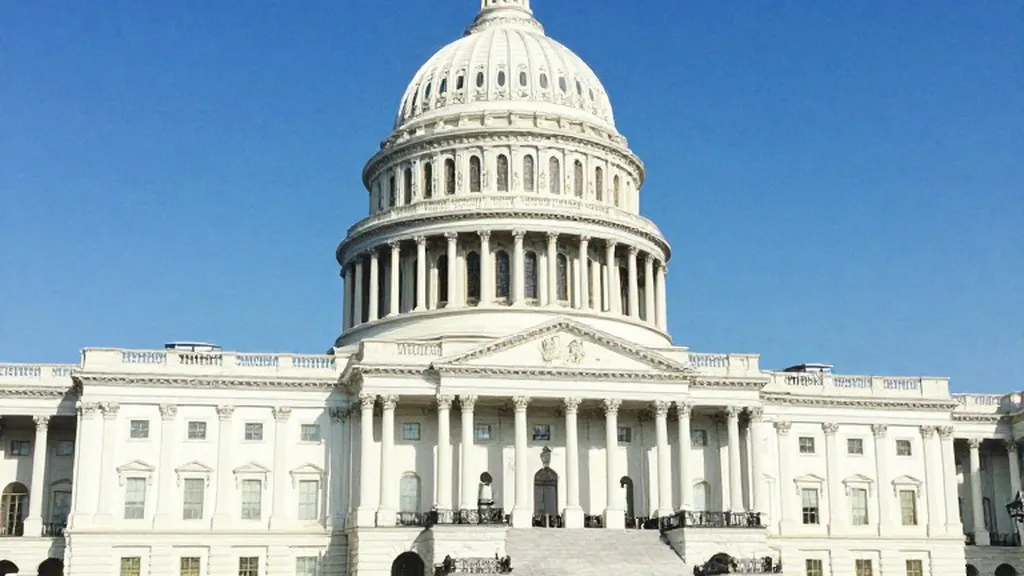
The loss of Congress means that the $5,000 dividend is effectively off the table for the next two years, at least in its original form. Democrats now control both chambers, giving them the power to scrutinize the administration's spending and potentially block any attempts to fund the payout without a clear legislative path. The Associated Press reported that the election brought a wave of historic firsts, including a surge of new Democratic leaders who are eager to assert their oversight powers. The party's focus has shifted to investigating the administration's business dealings and the use of federal resources.
Analysts suggest that the failure of the dividend to sway the election may influence how future presidential administrations use financial promises during midterms. The Tax Foundation noted that the cost of the checks would spend almost all the revenue that new tariffs are projected to bring in over a decade. This finding underscores the long-term fiscal impact of such policies. As the new Congress prepares to take office, the debate over the Trump dividend will likely become a case study in the gap between campaign rhetoric and legislative reality.
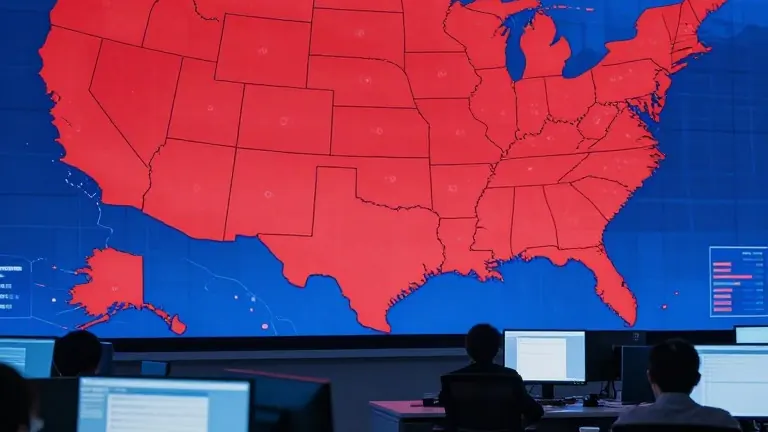
The results of the 2026 midterm elections show that voters prioritized immediate economic concerns over the prospect of a future windfall. Democrats gained control of the Senate and the House, ending the Republican hold on both chambers. The Associated Press reported that the election served as a referendum on President Trump's second term, with dissatisfaction over the war in Iran and high prices driving the outcome. The $5,000 dividend, once a central pillar of the GOP message, now stands as a reminder of the challenges facing any administration that promises large-scale fiscal relief without a detailed plan for delivery.