Trump's $5,000 Dividend Vow Collides With Democratic Midterm Victory
With Democrats now controlling Congress, the path for the president's massive election-year payment promise faces significant legal and fiscal hurdles.
By Justin Barnes ·
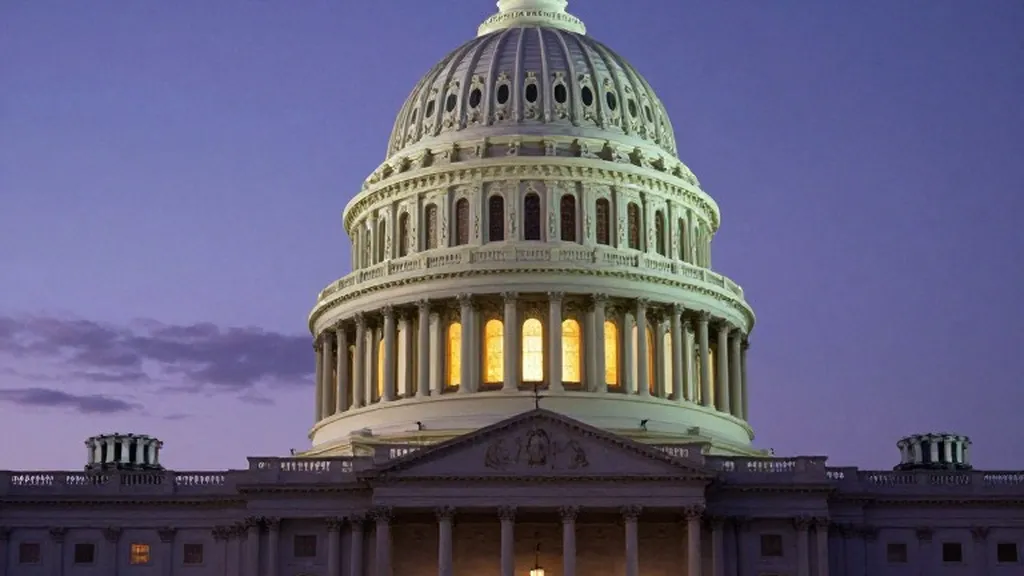
President Donald Trump's promise to send $5,000 to every American adult has taken on a new urgency following the November 3 midterm elections. The President made the pledge at the Republican Midterm Convention in Dallas, stating that if the Republican Party retained control of both the House and Senate, he would issue a payment he termed the Trump Dividend. The condition was specific: the GOP had to win both chambers of Congress to trigger the payout. That condition is no longer met, as Democrats have secured majorities in both the U.S. House and Senate.
The election results have shifted the political landscape significantly. According to official tallies, Democrats won at least 250 seats in the House, securing a clear majority. In the Senate, the party gained enough seats to hold a 54-44 majority. This outcome means that the legislative body that would be tasked with authorizing the massive spending measure is now controlled by the opposition party. The President's promise was framed as a reward for voters who kept the GOP in power, but the voters chose a different path, leaving the administration to determine if it will still pursue the payment.
During his speech in Dallas, Trump described the proposal as a result of the country's tremendous economic success. He argued that the United States was generating unprecedented revenue, particularly through tariffs, which he cited as a primary funding source. The White House stated that the payments would be possible because the administration was taking in more money than any country in history. However, the specific mechanism for delivering these checks was not detailed in the initial announcement, leading to questions about how the funds would be distributed and to whom exactly they would be sent.
Speaker of the House Mike Johnson, who served in that role before the election, acknowledged the complexity of the proposal. He stated that congressional approval is required for the payments to be issued. Johnson pledged to work with the administration to find consensus on the matter, describing it as a creative idea from the President. Despite the change in control, Johnson's comments highlight the legal reality that the President cannot unilaterally spend taxpayer money without the authorization of Congress, a body now led by Democrats.
Bipartisan criticism has emerged regarding the scale and timing of the promise. Fiscal experts have noted that the cost of the dividend could exceed $1 trillion, a figure that is substantial relative to the nation's annual budget deficit. Some Republican lawmakers questioned the wisdom of creating what one described as a dependency on the government. The payment would add to the national debt, a concern that has been raised by economists who warn that such large-scale spending during a period of persistent inflation could exacerbate economic challenges for American households.
Fact-checkers have scrutinized the feasibility of the Trump Dividend. PolitiFact analyzed the proposal and found that the biggest payment is far from certain. The organization noted that the administration had not announced a formal plan for the checks, and that previous promises of similar payments, such as tariff dividends, had not materialized. The analysis pointed out that while the idea is legally protected as a campaign promise, the practical execution faces enormous obstacles, including the need for a new bill and the difficulty of passing it through a divided government.
The timing of the promise added to the skepticism surrounding it. By linking the payment to the outcome of the midterm elections, the President effectively offered a financial incentive to voters. Election law experts have noted that while such promises are generally legal under the First Amendment, they are often viewed with suspicion. Critics argue that offering a large sum of money conditional on a specific election result can be seen as an attempt to buy votes, a strategy that has historical precedents but is rare in modern presidential politics.
Democrats have seized on the promise as evidence of the Republican Party's approach to fiscal policy. With the new congressional leadership in place, the Democratic majority is expected to scrutinize any spending bills introduced by the administration. The cost of living and inflation remain top concerns for voters, as indicated by recent polls showing that a majority of Americans feel financial hardship due to rising prices. The Trump Dividend, if pursued, would represent a significant new expenditure that the new Democratic leadership would need to approve or reject.
The President has maintained that the payments are easy to afford given the strong economy. He has repeated the assurance that the 5,000 dollar checks are going to happen, emphasizing the strength of the American financial position. However, the shift in congressional control means that the President must now negotiate with a party that has campaigned on lowering costs and increasing oversight. The path to delivering the Trump Dividend now requires bipartisan cooperation, a dynamic that will be tested as the new Congress convenes in January.
The outcome of the November 3 elections has put the promise on a different track. The Democrats, who won control of both chambers, will now have the power to shape the budget and approve or deny the funding for the dividend. The President's administration must decide whether to press for the payment as a priority or to let it fade into the background of the new legislative session. For now, the $5,000 check remains a promise, subject to the will of the new Democratic majority in Congress.