Democrats seize control of both chambers of Congress in sweeping 2026 midterm victory
Voters ousted Republicans in a landslide driven by cost of living and the Iran war, handing Democrats a new mandate to investigate presidential corruption and manage the war.
By Justin Barnes ·
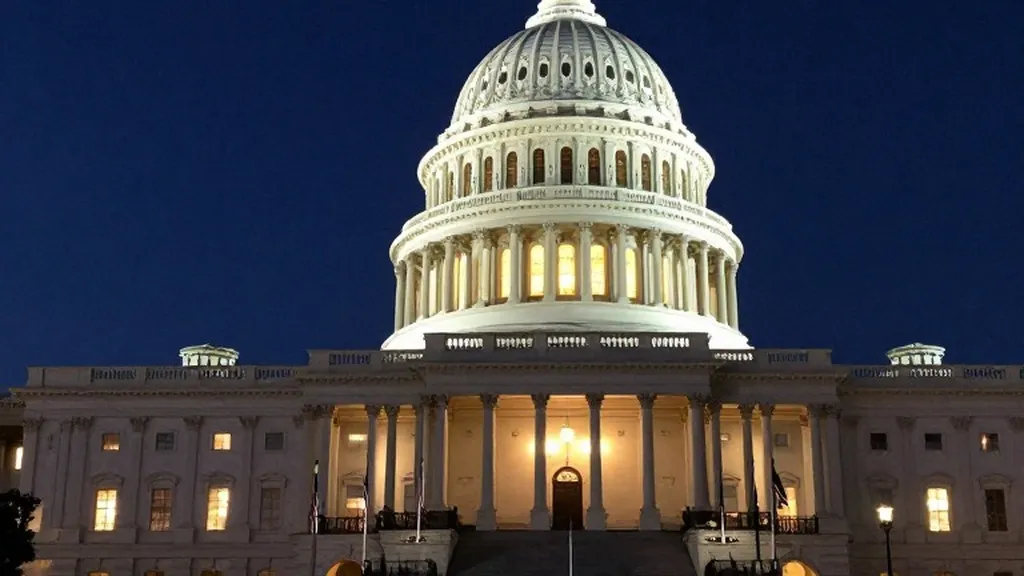
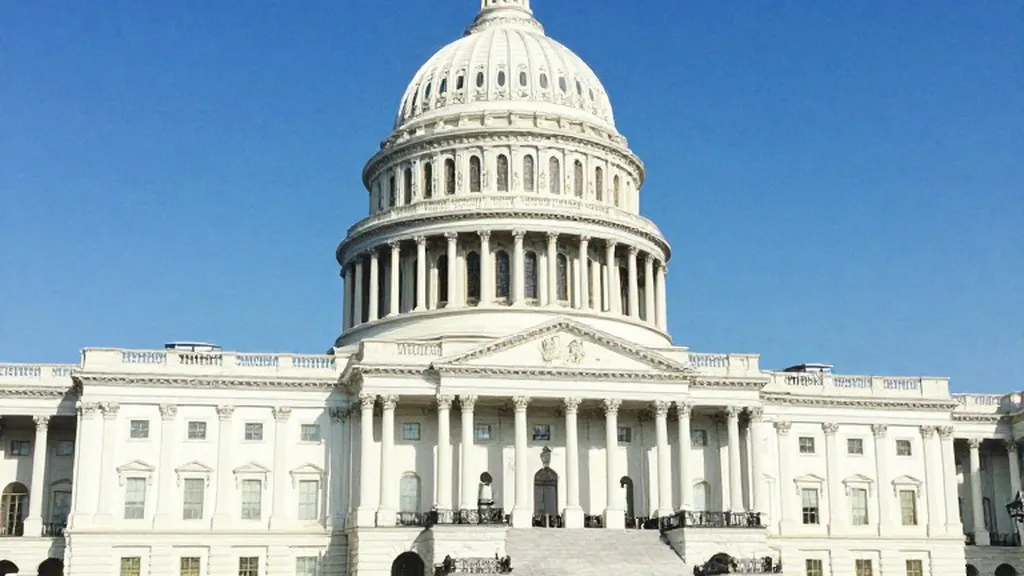
Washington, D.C., is waking up to a new era of congressional power after Democrats delivered a resounding victory in the 2026 midterm elections, capturing control of both the U.S. House of Representatives and the U.S. Senate. According to Ballotpedia, Democrats won 238 of the 435 House seats, a net gain of 33 seats, and secured 20 of the 35 contested Senate seats, flipping seven seats from the Republicans. This historic sweep marks a dramatic reversal in the balance of power, ending a period of divided government and giving the Democratic Party a unified platform to challenge the administration.
The election results serve as a clear referendum on the presidency, with voters expressing deep dissatisfaction over the cost of living and the ongoing conflict with Iran. The Associated Press reported that the electorate was driven by anger over high prices and concerns about government corruption. Record Election Day diesel and gasoline prices played a significant role in shifting millions of voters toward the Democratic Party, particularly in Latino communities across Texas, Kansas, and Arizona. This demographic shift was a critical component of the Democratic surge, as reported by Reuters.
In the Senate, the shift in control is particularly notable given the previous Republican majority. Decision Desk HQ projected Democratic control of the chamber shortly after polls closed on Tuesday, November 3. The final results, confirmed by Ballotpedia, show Democrats winning a net of seven seats, including gains in Iowa, Kansas, Maine, North Carolina, Ohio, South Carolina, and Texas. The party also gained control of the special Senate seat in Ohio, a state that Donald Trump won in the 2024 presidential election. This victory allows Democrats to assume the role of majority leader, a position that Sen. Chuck Schumer of New York is poised to reclaim.
The House of Representatives saw an even more decisive shift, with Democrats winning 238 seats to the Republicans' 146. This majority is the largest for the party in decades and provides a robust foundation for legislative action. Hakeem Jeffries of New York is in line to become the next House speaker, a role that will be central in managing the chamber's agenda. The Democratic sweep in the House was aided by the failure of the Republican Party's unprecedented national effort to reshape House districts. Reuters noted that the party's intended seawall of redistricting was swept aside by a Democratic tsunami, allowing the party to win seats in districts previously considered safe Republican territory.
With control of both chambers, Democratic leaders have immediately turned their attention to oversight and investigation. Corruption topped the list of concerns for voters, and the new Democratic majority is vowing to use its subpoena powers and expanded investigative staffs to probe the administration. Rep. Robert Garcia of California, who is expected to lead the Oversight and Government Reform Committee, outlined five priorities, including Trump family business dealings and the handling of the Jeffrey Epstein investigation. Sen. Chuck Schumer emphasized that Americans want to see the government clean up corruption, linking the issue directly to the affordability concerns that hit voters' pocketbooks.
The war in Iran remains a central issue as President Donald Trump weighs his next moves. The conflict, which has lasted eight months, contributed significantly to the Republican losses. Trump suggested in an Oval Office exchange that the election losses are not weighing heavily on his calculations, stating that the U.S. is locked in if it has to complete the campaign against Iran. However, analysts note that the political damage to the Republican brand is significant. The price of Brent crude oil tumbled below $95 on Wednesday, signaling that markets do not expect immediate major strikes, but the conflict's impact on global energy prices continues to influence domestic policy decisions.
The election results also reflect a broader shift in the state government landscape. Democrats gained control of five governorships, including in Georgia, Iowa, Ohio, and Texas. Ballotpedia reported that Democrats won 22 of the 36 gubernatorial races on the ballot. This expansion of state-level power provides a stronger foundation for the party's 2028 presidential campaign. The victory in Texas is particularly symbolic, as the state has been a key battleground in recent cycles. Governor-elect Gina Hinojosa has already signaled plans to introduce laws protecting residents from the impact of data centers, a topic that resonated with voters concerned about infrastructure and local development.
The Democratic wave also brought a wave of historic firsts to the national stage. Abdul El-Sayed of Michigan won a Senate seat, becoming the first Muslim American U.S. senator. His victory speech, which included addressing Vice President JD Vance with the Arabic term 'habibi,' was celebrated across the Arab world. El-Sayed's win in Michigan, a state Donald Trump won in 2024, underscores the depth of the Democratic performance. The Associated Press noted that his campaign turned the phrase 'inshallah' into 'hamdulillah,' or 'thank God,' reflecting a tone of relief and triumph among supporters.
The new Congress will face immediate challenges in managing the relationship with the executive branch. Democrats are expected to use their majority to scrutinize the president's trade policies and the administration's response to the Iran war. While they have a big microphone and spotlight to investigate, Reuters noted that they largely remain unable to override a presidential veto on votes to overturn his tariff policies. This dynamic sets the stage for a period of intense political conflict, with the new Democratic leadership preparing to hold the administration accountable for the decisions that led to the election's outcome.