Trump's $5,000 Dividend: A Vote-Buying Gambit or Fiscal Reality?
With Democrats now holding both chambers of Congress, the President's Dallas pledge faces immediate legislative hurdles and bipartisan scrutiny over its trillion-dollar cost.
By Yuki Melnyk ·

President Donald Trump’s campaign promise to send a $5,000 check to every American adult, contingent on his party retaining control of Congress, has entered a new phase of political and fiscal reality. The pledge, made at the Republican Midterm Convention in Dallas, was explicitly tied to the November 3 elections. Trump told the crowd that if Republicans won both the House and the Senate, the payment would be called the Trump Dividend. This conditionality has led critics to question whether the offer was a strategic attempt to buy votes during a critical election cycle.
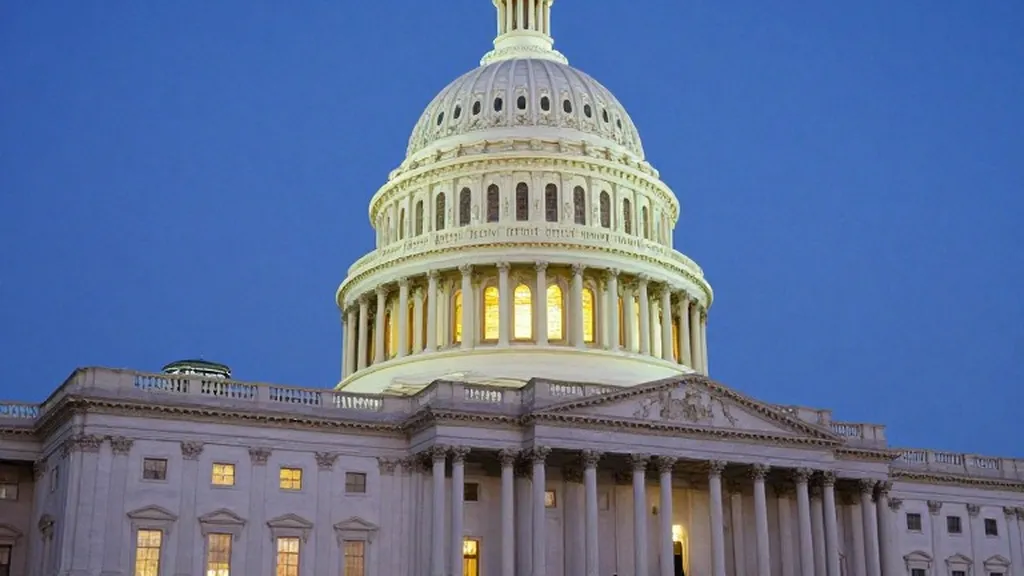
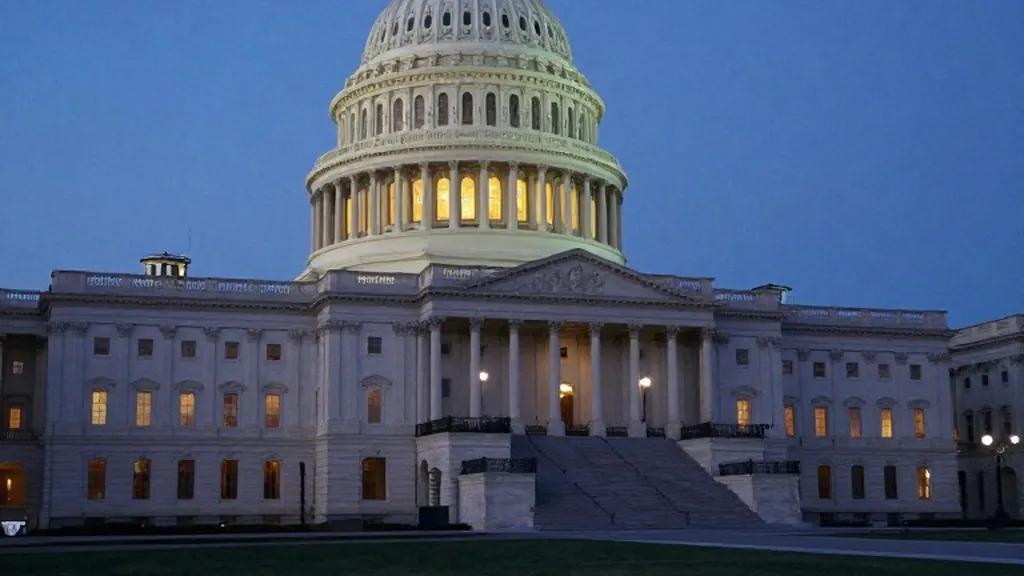
The results of Tuesday’s election have shifted the landscape for this proposal. Democrats have secured majorities in both the U.S. House and the Senate, winning at least 250 House seats and 54 Senate seats. This outcome means the condition set by the President for the dividend is no longer met, as Republicans did not keep control of both chambers. The shift in power places the proposal in the hands of a Democratic-led legislature, which has already signaled a focus on oversight and fiscal discipline.
Speaker Mike Johnson, who led the House for three years, stated that congressional approval is required for the payments to proceed. During a recent appearance, Johnson said, I would assume, yes, he'd need Congress to act, and that's a creative idea. He pledged to work through the process, noting that the President is the big ideas president. However, with Democrats now controlling the legislative agenda, the path for the Trump Dividend to become law is significantly more complex than it was when Republicans held the majority.
The financial implications of the promise are substantial. The U.S. Census Bureau estimates there are about 245 million U.S. citizen adults. Providing each of them with a $5,000 check would cost approximately $1.2 trillion. This figure puts further strain on the country’s nearly $1.8 trillion annual budget deficit. The proposal emerged at a time when consumer sentiment is weak, with gasoline prices rising due to the war in Iran and wages struggling to keep pace with inflation.
Bipartisan criticism has focused on the mechanics of funding such a large payment. PolitiFact reported that the biggest payment is far from certain, noting that the administration announced no formal plan for how Americans would receive the checks. The President cited tariff revenues as a potential source, but fiscal experts cast doubt on this approach. Erica York, a senior economist at the Tax Foundation, wrote that the cost of the checks would spend almost all the revenue that the new tariffs are projected to bring in over a decade.
The legal and political questions surrounding the promise have also drawn attention. Election law expert Rick Hasen noted that while the President does not have the unilateral power to issue the checks, the promise is likely protected under the First Amendment as a campaign pledge. He compared it to other political promises about tax cuts or social programs. Nevertheless, the lack of a detailed implementation plan has left many voters and lawmakers skeptical about the feasibility of the dividend.
Democrats in Congress are preparing to use their new majorities to scrutinize the President’s economic policies. Sen. Elizabeth Warren has called on her colleagues to hold the administration accountable, emphasizing the need to check executive overreach. The shift in control allows Democrats to investigate how the administration plans to fund large-scale payments and to assess the impact on the national debt. This oversight role is a central part of the new Congress’s agenda.
The promise of the Trump Dividend has added to a series of proposed payouts that have not yet materialized. In February 2025, Trump and Elon Musk endorsed DOGE dividend checks, which were never issued. Similarly, a promise of $2,000 tariff dividend checks in November 2025 did not result in payments. These precedents have led some analysts to describe the $5,000 dividend as a repeat of previous unfulfilled promises, further complicating its political reception.
The election results also highlight the financial edge of the Republican campaign, which spent significantly more than the Democrats. According to OpenSecrets, outside groups and independent committees spent at least $2 billion in the Senate race alone, with Republican-affiliated groups spending roughly 60% more than their Democratic counterparts. Despite this spending advantage, Republicans lost at least seven Senate seats and 42 House seats. The high cost of the campaign underscores the financial resources brought to bear in an election that was widely seen as a referendum on the President’s leadership.
As the new Congress convenes in January, the fate of the Trump Dividend will be determined by legislative negotiations. The Democratic leadership, including House Leader Hakeem Jeffries and Senate Leader Chuck Schumer, has signaled a willingness to engage in oversight and appropriations battles. The President’s promise, while legally permissible as a campaign pledge, now faces the practical hurdles of a divided government and a deficit-conscious legislature.
The debate over the dividend reflects broader concerns about the cost of living and the direction of the national economy. With three-quarters of voters indicating that the economy is not so good or poor, the timing of the promise has been a point of contention. The new Democratic majority in Congress is expected to prioritize measures that address inflation and healthcare costs, potentially leaving the Trump Dividend as a symbolic gesture rather than an immediate policy reality.
The President’s administration continues to defend the economic rationale behind the proposal, citing strong revenue figures and tariff income. White House spokesperson Davis Ingle stated that the President has consistently proven his doubters wrong, pointing to the administration’s record on inflation and immigration. However, with the legislative power now in Democratic hands, the implementation of the $5,000 dividend will require significant bipartisan cooperation or a shift in the President’s legislative strategy.