Residents of Hebron face displacement as military operation begins
Homes and businesses are being demolished in the West Bank city, forcing hundreds of families to leave just days before a general election.
By Justin Barnes ·
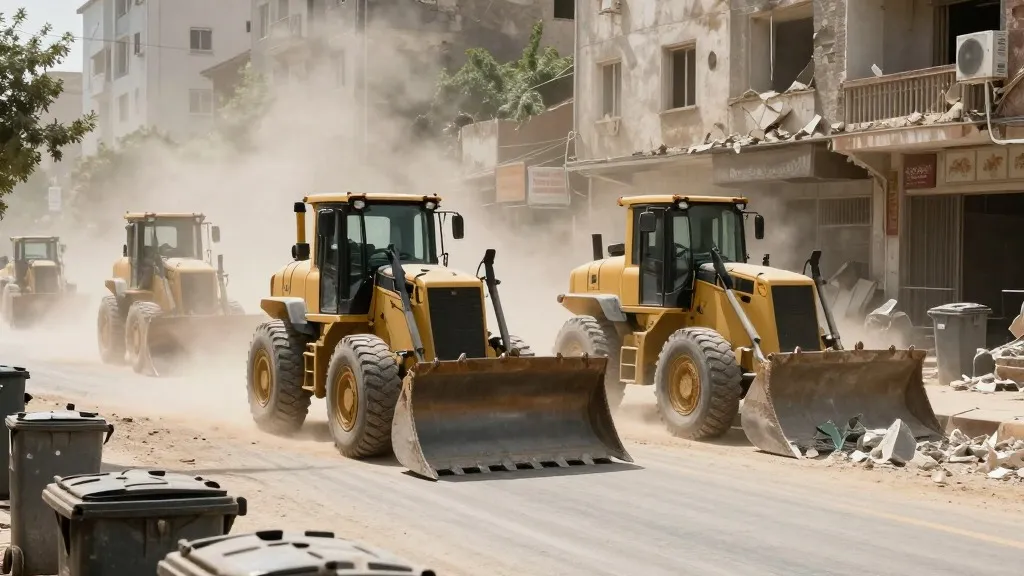
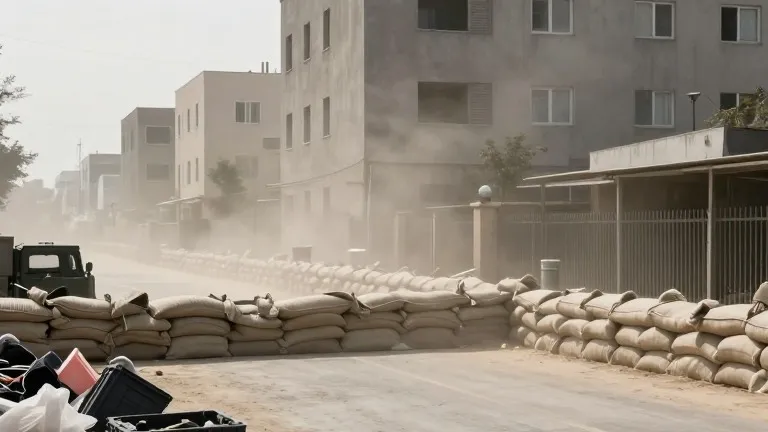
For hundreds of families in the West Bank city of Hebron, daily life has been upended by a sudden military push. Homes and businesses are being torn down, and residents are being forced to leave their neighborhoods. Local officials report that the operation has already displaced at least two hundred families, with many others sleeping outdoors or preparing to move. The disruption is significant for the city's two hundred thousand residents, whose movement is now sharply limited as the area is sealed off.
The conflict in Hebron did not start on Friday. It followed a specific trigger: an attack on a checkpoint where two Israeli soldiers were killed and three others wounded by Palestinian gunmen. Both attackers were killed in the exchange. Prime Minister Benjamin Netanyahu announced the response on Friday morning. He stated that buildings near the attack site and the neighborhoods the gunmen came from would be destroyed. This follows a pattern in the West Bank where homes of those suspected of attacks are demolished, a practice rights groups have long criticized as a form of collective punishment.
Netanyahu compared this current action to earlier campaigns in northern Palestinian refugee camps in 2025. During those operations, the military destroyed hundreds of homes and displaced tens of thousands of people. The Prime Minister indicated that the Hebron operation might be part of a larger strategy. He said he had reviewed plans for the largest military operation in the West Bank since 1967, though he did not specify when that broader campaign might begin. He also threatened a significant surprise for the Palestinian Authority, which governs parts of the territory.
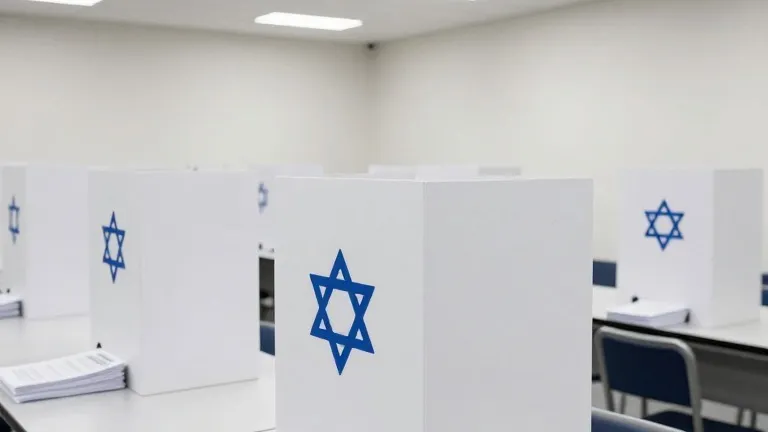
The timing of the launch is notable because it comes just four days before Israel's general election. Netanyahu's campaign has focused heavily on security. On Friday, he canceled his party's campaign events to travel to Hebron. He arrived wearing protective armor and posted a video from the scene. In the clip, he said the forces would go house to house, remove weapons, and destroy terrorist infrastructure. He framed the evacuation of residents as a necessary step in this process.
Local leaders in Hebron have described the scope of the damage in detail. Mayor Youssef al-Jaabari said the operation is focused on the Ein Deir Baha and Farsh al-Hawa neighborhoods. He noted that the destruction includes homes, businesses, industrial sites, and infrastructure. According to the mayor, dozens of families were told to leave without their vehicles. Houses are being marked for demolition with spray paint. He believes the military intends to displace two thousand five hundred people from an area of roughly 0.35 square kilometers.
The city's governor and deputy mayor have confirmed that at least two hundred families have been displaced so far. Footage shared online shows the physical impact of the operation. Bulldozers are seen leveling structures, with at least one entire street appearing to be cleared. The Israel Defense Forces stated that they have dozens of targets across the West Bank and that operations will continue for several days. The military did not immediately answer specific requests for comment on the scale of the Hebron operation.
Reactions from political figures have been mixed and intense. Within the Israeli government, Finance Minister Bezalel Smotrich urged for a campaign in the West Bank similar to those in Gaza or Lebanon. National Security Minister Itamar Ben Gvir called for the dismantling of the Palestinian Authority. The Palestinian Authority itself has called for urgent international action that goes beyond simple condemnation to prevent further forced displacement of residents.
Mayor al-Jaabari offered a direct perspective on the political motivations behind the timing. He told journalists that the operation is driven by the upcoming elections. He suggested that Netanyahu and his ministers are trying to secure the votes of the far right and of settlers in the region. The next few days will likely bring more clarity as the operations continue. Residents in the targeted neighborhoods are facing an uncertain future, while the broader political landscape in Israel prepares for a vote that could shape its security policies for years to come.
Source: BBC News