57 Million Early Votes Set the Stage for Turnout Battle on Election Day
As polls open, Democratic and Republican leaders stake their hopes on voter engagement in a contest where every seat matters.
By Yuki Melnyk ·
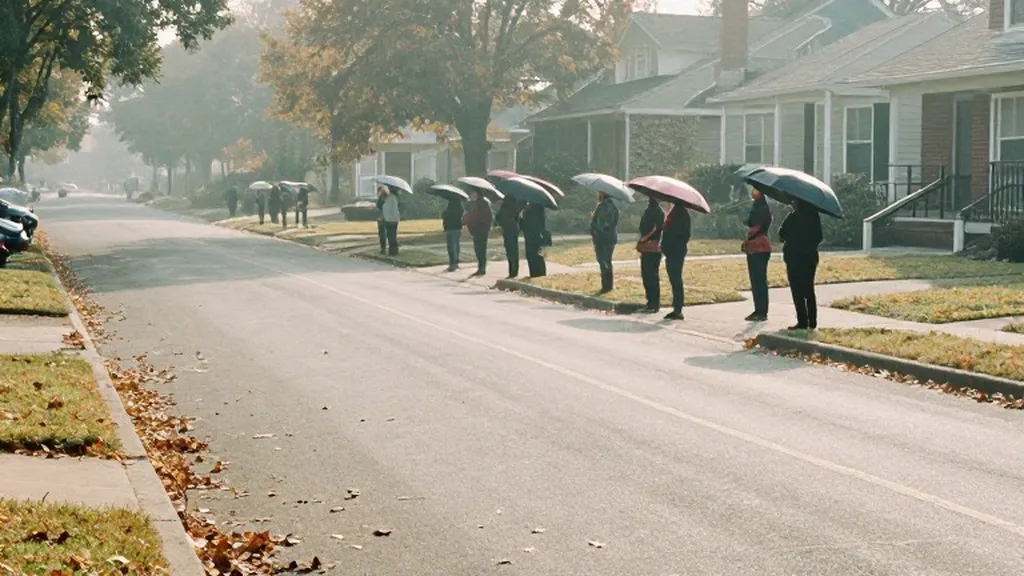
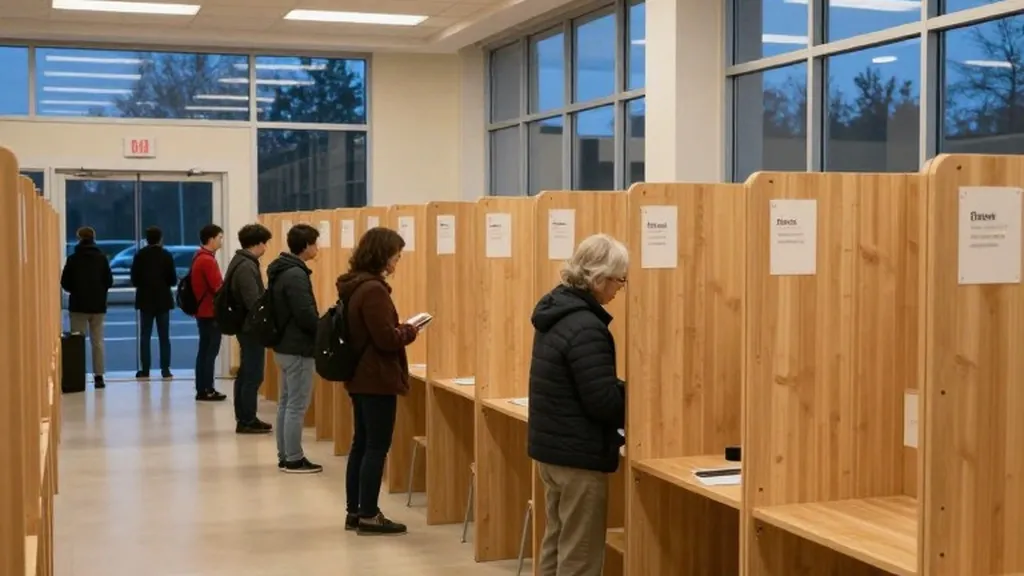
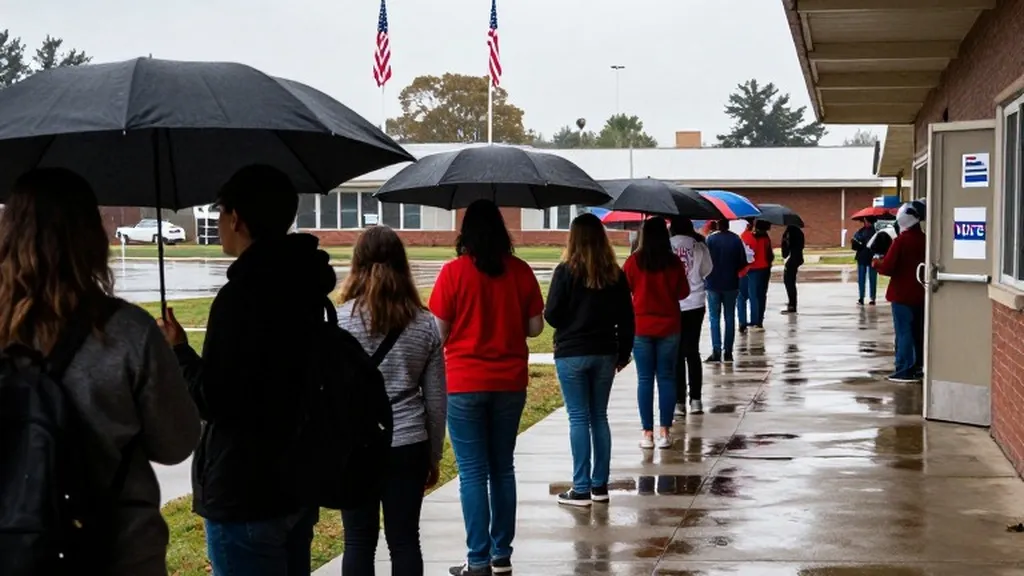
Polls are open across the country on Election Day, and the stage is set for a decisive clash over the control of Congress. The Associated Press reports that more than 57 million Americans had already cast their ballots as of Monday, a figure that surpasses the early vote totals from four years ago in many closely watched states. This massive early turnout has set a high bar for the final hours of voting today, with both parties viewing the ground game as the critical factor in determining the outcome of the midterm election.
The stakes are high for the Democratic Party, which needs a net gain of three House seats to take control of the chamber. Republicans, who currently hold 218 seats, can afford to lose no more than two. In the Senate, Democrats require a net gain of four seats to secure a majority, while Republicans can lose only two. Ballotpedia identifies 46 battleground districts in the House and 13 competitive Senate races, creating a narrow margin for error that has both parties focused intensely on mobilizing their base.
Republican National Committee Chairman Joe Gruters emphasized the importance of voter participation in a statement to the press. He said, "Everything depends on turnout. If we turn out our voters, we win, and that's what we've been planning for." His comments reflect the party's strategy to protect its Senate majority and minimize losses in the House, despite the fact that Republicans were bracing for potential setbacks in the lower chamber.
Democratic Congressional Campaign Committee Chair Rep. Suzan DelBene offered a different perspective, highlighting the anger of the electorate. She stated, "The American people are angry. They want change." This sentiment aligns with polling from the AP and NORC, which found that 35 percent of U.S. adults approve of President Donald Trump's job performance, while about seven in ten say the country is heading in the wrong direction. Most voters blame the president for high prices, a central theme in the Democratic campaign.
The ground game has been a defining feature of this cycle, with both parties deploying extensive resources to get voters to the polls. The Associated Press notes that Democrats were cautiously optimistic heading into the day, while Republicans were fighting to hold the Senate. The election is being described as a referendum on the president's second term, with voters struggling with high prices and angry over an unpopular war with Iran. This mood is driving the intense focus on turnout in swing states like Michigan, Georgia, and Iowa.
Money has played a significant role in shaping the election landscape. The 2026 elections are likely to be the most expensive in history, with Republican committees outraising and outspending their Democratic counterparts. This was aided by Trump-affiliated groups and support from Elon Musk. However, at the candidate level, Democrats outraised their opponents. An AP analysis of AdImpact data shows that 88.1 percent of Republican general election TV ad spending went to states and districts that Trump won in 2024, including more than $850 million in areas where he won by 10 points or more.
Voters on the ground are expressing their concerns directly. Mark Barker of Palm Beach Gardens, Florida, said he has been following Trump the whole time and thinks he is doing an awesome job. In contrast, James Moore, a 57-year-old librarian in Raleigh, North Carolina, cited the cost of living as his primary reason for voting. He said, "I'm paying more taxes. I'm paying more for my healthcare. I'm paying more for everything." These personal accounts highlight the economic anxieties driving voter behavior in this election.
The administration has also been involved in efforts to influence the voting process. Trump continued to make claims about voting fraud, including that noncitizens vote in large numbers. His administration filed lawsuits in Alaska and California, and the Justice Department threatened to prosecute local election officials. A federal judge temporarily barred the administration from carrying out a plan to prevent noncitizen voting, and another judge ordered them to stop demanding that California officials segregate specific ballots. These legal battles have added a layer of complexity to the day's proceedings.
The U.S. Postal Service added hours, staff, and special lines to ensure mail ballots are counted on time, a crucial step in a year with high mail-in participation. Wall Street is also watching the results, with Reuters noting that outcomes could impact investor concerns about AI spending and debt ceiling negotiations. The focus remains on the 35 Senate seats and 435 House seats up for grabs, with the potential for a shift in power that could lead to investigations and oversight of the administration.
If Democrats win even one chamber, investigations and possible impeachment proceedings become likely. House Democratic Leader Hakeem Jeffries has outlined a 100-day agenda focused on the cost of living and oversight, positioning himself as a potential speaker if the party takes the House. A strong Democratic night would also boost potential 2028 candidates like Gavin Newsom, JB Pritzker, and Pete Buttigieg. Republicans, meanwhile, tried to beat the historic midterm pattern of losing seats by using redistricting, but new districts in states like Florida may not vote as drawn.
As the day progresses, the focus remains on the final push to the polls. The Associated Press notes that one or two seats could tip either chamber, making every vote count. The election is not just about who holds power in Congress, but about the direction of the country for the president's final two years in office. Voters are heading to the polls to decide that question, with the early vote totals setting a record that underscores the high level of engagement in this critical midterm contest.