Albania in 1986: A Reporter Finds a Nation Walking with Heads Down
Decades after the fall of the Hoxha regime, a first-hand account from 1986 describes a country defined by fear, concrete bunkers, and a secret police that monitored every citizen.
By Justin Barnes ·
The year 1986 marked the 35th year that the People's Republic of Albania had kept American reporters out of its borders. Peter Lucas became the first U.S. journalist to enter the country since that isolation began, arriving in August with a visa that allowed him to bypass the strict controls of the time. His entry occurred just over a year after the death of Enver Hoxha, the communist dictator who had ruled the nation for 44 years following the end of World War II.
Lucas landed at Tirana Airport, a facility he described as deserted and guarded by armed soldiers. No other planes were on the tarmac. Communist Party officials attempted to send him back to Zurich, citing a dislike for Americans stemming from the Vietnam War. After a thorough search, authorities confiscated his copy of Larry McMurtry’s novel Lonesome Dove because foreign literature was banned from entering the country.
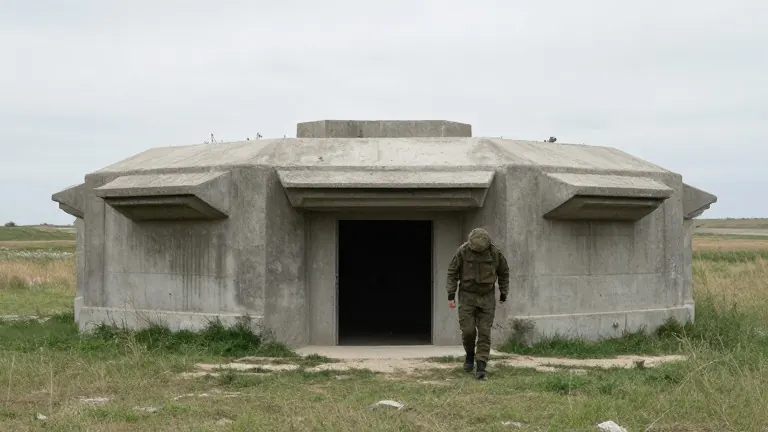
Although Hoxha was dead, his portrait hung in nearly every public space. The country remained a police state under his successor, Ramiz Alia, until the communist government was overthrown between 1990 and 1991. The Sigurimi, the Albanian secret police, operated with extensive power, and citizens spied on one another. Concrete military bunkers dotted the landscape, built to defend against an invasion that never occurred.
Daily life for average Albanians was marked by severe restrictions. Private ownership of cars was prohibited, and only party officials possessed telephones. Churches had been abolished, and citizens were generally forbidden from leaving the country. With no tourists, cafes and restaurants did not exist. Ordinary people were barred from entering the few state-run hotels, which often featured music and cocktail lounges in their basements.
Lucas found the population living in a state of controlled ignorance. Propaganda told them their lives were better than ever, and most citizens either believed this or pretended to. His conversations were limited by language barriers and the presence of a minder who reported on his activities daily. People were often too fearful to speak freely when the minder was nearby.
During one hot morning, Lucas left his hotel without his minder and walked toward Tirana University hoping to find students willing to talk. He found three female students outside the campus who had been observing him. One of them greeted him in English, noting that he was an American. When Lucas asked how she knew, she pointed out his shoes and clothes but insisted that his manner of walking was the true giveaway.
The student explained that Americans walk with their heads high, looking ahead without care. She contrasted this with the way Albanians walked. She hunched her shoulders, lowered her head, and looked at the ground to demonstrate the posture of caution required in their society. This brief exchange left a lasting impression on Lucas, who said it conveyed the essence of the socialist system.
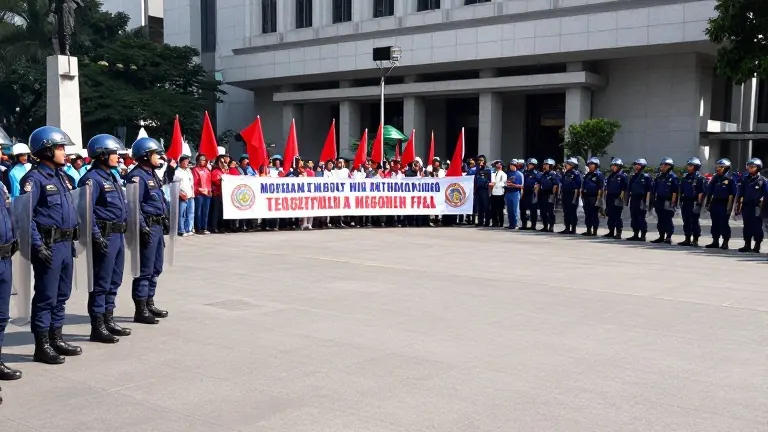
The account serves as a record of the conditions in Albania before the country opened up to the world. The government of Prime Minister Edi Rama is currently facing threats from rioters, bringing the socialist history back into public focus. Lucas notes that his story is being told now to preserve the details of that era before they are lost to time.