Post-Trump Politics: New Hampshire's 2028 Primary Looms After Midterm Losses
The state's first-in-the-nation status faces a scheduling conflict with South Carolina, while GOP figures plan their next moves.
By Yuki Melnyk ·
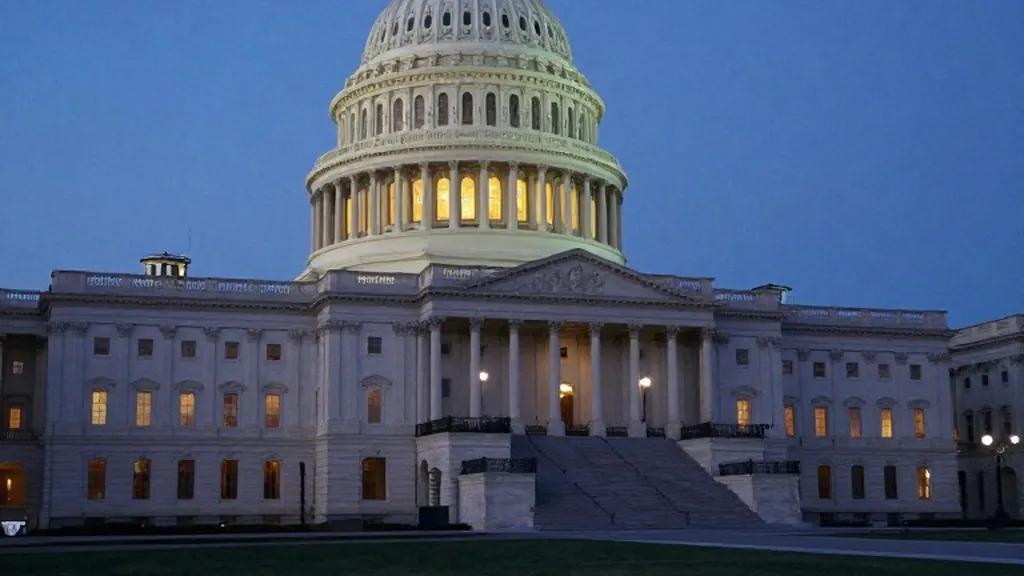
The 2026 midterm elections have concluded, but political attention in New Hampshire is already turning toward January 2028. The state’s presidential primary, expected to be the first in the nation, will arrive just two years after President Donald Trump leaves office. This timing forces the Republican Party to define its identity in a post-Trump era while grappling with a recent electoral defeat.
Dante Scala, a political science professor at the University of New Hampshire, noted that a struggle over the direction of the party is inevitable. He observed that 2028 will center on what follows Trump. While a simple narrative involving a Trump-endorsed candidate like Vice President JD Vance is possible, Scala doubts the process will be that straightforward.
Signs of this internal shift appeared during the 2026 campaign. John E. Sununu, a Trump-endorsed Senate candidate, lost to Democratic Representative Chris Pappas. In his closing remarks on a debate stage, Sununu framed his candidacy as a contest for the next six years rather than the immediate election. He asked where the country would go when Trump leaves office in two years.
Scala described Sununu’s comments as remarkably frank for a Republican nominee to make shortly before Election Day. The professor viewed this as part of a long-term effort by John E. Sununu and his brother, former governor Chris Sununu, to push the party toward a post-Trump era. Their first move was backing Nikki Haley in the 2024 primary, where she lost to Trump by a margin of 11.1 percentage points in New Hampshire.
Conservative advocacy groups are positioning themselves for the 2028 cycle. Americans for Prosperity, founded by the Koch brothers, provided extensive ground support for Haley in 2024 and backed John E. Sununu’s Senate race. Scala noted that the group’s political action committee sent a large volume of mail to voters, indicating a willingness to deploy significant resources.
Turning Point USA also invested in the 2026 contest. The organization, whose cofounder Charlie Kirk was assassinated last year, dispatched volunteers to knock on doors and monitor polling sites. Chris Sununu, who served as governor for eight years, criticized the return on that investment. He stated that the group knocked on half a million doors with virtually zero results, suggesting the effort was a trial run to build infrastructure.
Chris Sununu said he is not running for office in 2028 but plans to advise candidates on the state’s unique political culture. He warned that campaigning in New Hampshire like other states leads to failure. Meanwhile, the Democratic side faces a scheduling impasse. The Democratic National Committee selected South Carolina to vote first, conflicting with New Hampshire law that requires the state’s primary to be held at least a week before any other contest.
The University of New Hampshire Survey Center identified Vice President Vance and Secretary of State Marco Rubio as early favorites on the Republican side. On the Democratic side, Representative Alexandria Ocasio-Cortez and former Transportation Secretary Pete Buttigieg lead the pack. New Hampshire Democratic Party chair Raymond Buckley said it is too soon to resolve the scheduling conflict, as the party is still processing the midterm results.