Trump's $5,000 dividend faces math and approval hurdles on Election Day
The president's promise to pay every adult if Republicans keep Congress is now a central campaign issue, with Speaker Johnson confirming the need for legislative action.
By Justin Barnes ·
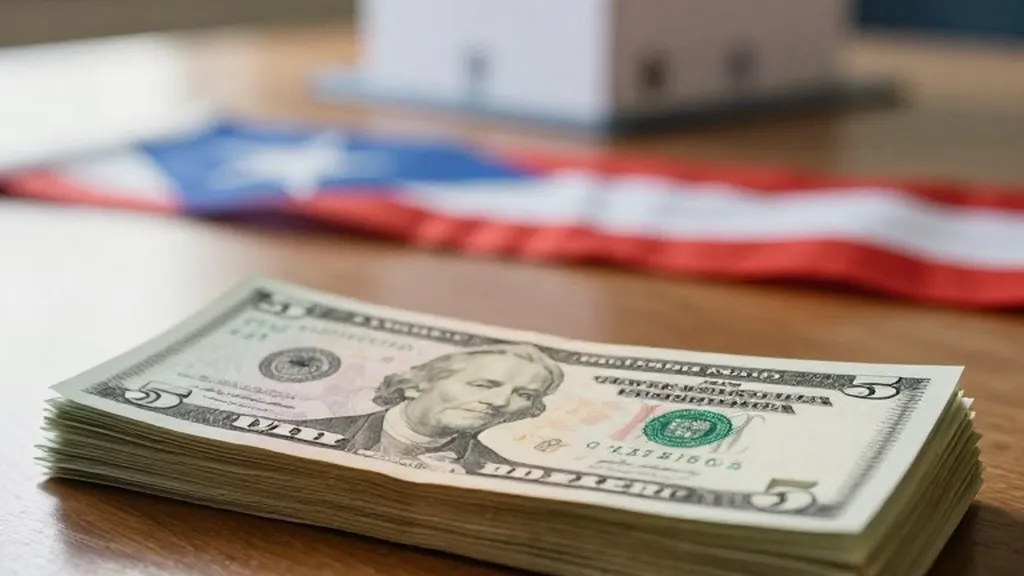
President Donald Trump is asking voters to approve a $5,000 payment for every American adult on Tuesday, a pledge that has become a defining issue of the midterm election. The promise, labeled the Trump dividend, was made during the Republican National Committee's midterm convention in Dallas last week. Trump told the crowd that if the Republican Party maintains control of both the House and the Senate, every adult citizen would receive a check. The proposal is designed to reward voters for keeping the president's party in power during the final two years of his second term.
The stakes of this promise are high for voters watching the cost of living. The Associated Press notes that 25% of adults approve of Trump's handling of the economy, while about 7 in 10 say the country is heading in the wrong direction. Many voters, including James Moore, a librarian in Raleigh, North Carolina, are concerned about rising prices for healthcare and taxes. Trump argued that the payment is possible because the United States is taking in $21 trillion, a figure he attributes to tariff revenues. He described the economy as strong and said the country has never done better.
However, the path to delivering these checks is not straightforward. House Speaker Mike Johnson, a Republican from Louisiana, confirmed on Sunday that the payments require congressional approval. Johnson said, 'I would assume, yes, he'd need Congress to act, and that's a creative idea.' This statement contrasts with Trump's earlier comments to CBS News Texas, where he suggested he did not think Congress would need to authorize the payments. Johnson pledged to work through the proposal despite the slim Republican margin in the House, stating that the committee will find consensus on the issue.
The financial cost of the dividend is a major point of contention. PolitiFact reports that the payment could cost the federal treasury more than $1 trillion. The U.S. Census Bureau estimates there are about 245 million adult citizens, which would result in a total cost of approximately $1.2 trillion. This expenditure would add to the country's nearly $1.8 trillion annual budget deficit. Erica York, a senior economist at the Tax Foundation, noted that the cost would spend almost all the revenue that new tariffs are projected to bring in over a decade. The White House has cited tariff revenues as a potential funding source, but no formal plan has been announced.
Bipartisan criticism has emerged regarding the timing and logic of the promise. Some Republicans, including Texas Congressman Chip Roy, have questioned whether the payment creates a culture of dependency. Roy wrote on X that 'Dependency is evil and soul-sucking in all its forms.' Election law expert Rick Hasen of UCLA stated that while the promise is likely protected by the First Amendment as a campaign pledge, Trump does not have the power to execute it without legislative action. Hasen compared the move to other campaign promises regarding tax cuts or healthcare, noting that politicians make such statements to mobilize their base.
Democrats have framed the dividend as an attempt to buy votes during a critical election cycle. They argue that the promise is a distraction from the administration's record on inflation and the unpopular war with Iran. The Associated Press describes the election as a referendum on Trump's second term, with voters struggling with high prices. House Democratic Leader Hakeem Jeffries has outlined a 100-day agenda focused on the cost of living and oversight, aiming to contrast with the Republican focus on tax cuts and border security. The debate over the dividend has intensified as polls remain open and voters head to the polls.
Speaker Johnson has positioned the dividend as a testament to the Republican legislative record. He highlighted the passage of the One Big Beautiful Bill, which included tax cuts and spending reductions. Johnson said the House has delivered historic results, including a $4.6 trillion tax cut and a $1.6 trillion reduction in wasteful spending. He argued that these measures have strengthened the economy, making the dividend feasible. Johnson's comments on CNN and NBC emphasized that the administration is working to implement the president's big ideas, even if they require complex legislative maneuvers.
The proposal also faces questions about eligibility and implementation. Trump specified that the payment would go to every adult citizen, which could exclude U.S. Citizens living abroad. The Association of Americans Resident Overseas estimates that 5.5 million Americans lived abroad in 2024. Vice President JD Vance said that the money would primarily benefit the American middle class and workers. The White House has not provided detailed information on how the checks will be distributed or when they will be sent, leaving many voters with questions about the logistics of the promise.
PolitiFact has found that the biggest payment is far from certain, noting that the administration has announced no formal plan for the checks. The outlet pointed out that fiscal experts cast doubt on the plan given existing economic challenges. The $5,000 dividend is part of a trio of payments Trump has promised, including a one-time $90 payment for some Medicare enrollees and a $500 refund for some Affordable Care Act users. The Medicare and ACA payments are expected to go out in October, but the $5,000 check is tied specifically to the outcome of the November election.
Voters are weighing this promise against the broader economic landscape. The war with Iran has driven up gasoline prices, adding to the strain on household budgets. Trump said on Sunday that gas prices will drop like a rock, but he indicated no immediate deal with Iran to end the conflicts. The administration's focus on tariffs and trade has been a central theme of the campaign, with the White House arguing that these policies have brought in record revenue. As polls open across the country, the dividend remains a key talking point that could influence voter turnout and perception of the Republican platform.